2026 Top Electrical Standoff Insulator Trends for Buyers?
The demand for Electrical Standoff Insulator technology has surged in recent years, driven by advancements in electrical infrastructure and renewable energy. According to a 2023 market analysis by Research and Markets, the global electrical insulator market is expected to grow at a CAGR of 6.1% through 2030. This trend indicates a strong need for innovative standoff solutions that enhance safety and efficiency.
Buyers are increasingly aware of the importance of selecting the right Electrical Standoff Insulator. These insulators play a critical role in preventing electrical leakage and ensuring system reliability. However, not all insulators are created equal. The choice often hinges on material composition, voltage ratings, and environmental conditions. A report from the International Electrotechnical Commission highlights that improper insulation can lead to catastrophic failures, making informed selection vital.
As we approach 2026, manufacturers are introducing advanced materials like polymer and composite insulators. These innovations promise improved performance in diverse settings. However, buyers must remain vigilant. Market offerings can vary widely, and not all suppliers maintain high-quality standards. Continuous research and evaluation are essential for making educated purchase decisions in this evolving landscape.
Key Innovations in Electrical Standoff Insulators for 2026
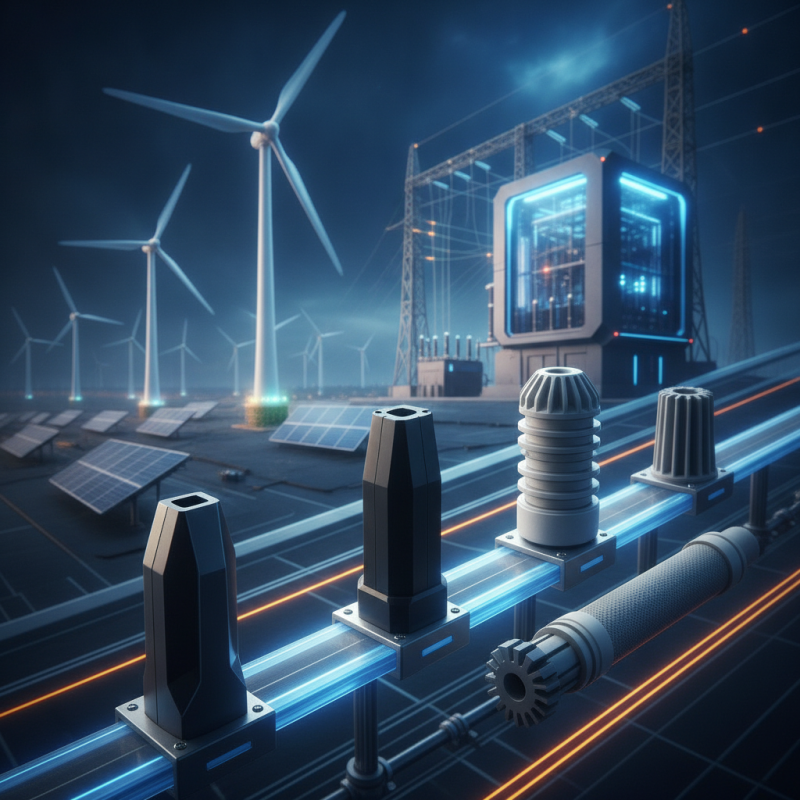
As we approach 2026, the landscape of electrical standoff insulators is evolving rapidly. Innovations in materials are at the forefront. Manufacturers are exploring advanced polymers and ceramics that offer superior dielectric strength. These materials improve safety and durability while reducing weight. Enhanced performance can lead to longer operational life in various applications.
Another trend is the focus on sustainability. Many companies are developing eco-friendly insulators that minimize environmental impact. These products often utilize recycled materials. This shift is not only good for the planet but also appeals to buyers seeking sustainable solutions. However, the balance between performance and eco-friendliness remains a challenge.
Additionally, smart technologies are making their way into insulator designs. Features like embedded sensors can monitor insulation health. The integration of IoT offers real-time data, enhancing reliability. Yet, it raises concerns about complexity and maintenance. Ensuring these innovations do not compromise safety and operability is vital. As trends unfold, stakeholders must remain vigilant and adaptable.
2026 Top Electrical Standoff Insulator Trends for Buyers
| Trend |
Key Innovations |
Material Types |
Applications |
Market Growth |
| Increased Demand for Sustainable Materials |
Bio-based insulators |
Biodegradable plastics, natural fibers |
Renewable energy systems |
12% CAGR |
| Miniaturization |
Compact designs for limited spaces |
Ceramics, polymers |
Consumer electronics |
10% CAGR |
| Enhanced Thermal Stability |
High-performance polymer blends |
Thermosetting plastics |
Electric vehicles |
15% CAGR |
| Smart Insulator Technology |
IoT integration for monitoring conditions |
Composite materials |
Smart grids |
20% CAGR |
| Higher Voltage Applications |
Innovative high-voltage designs |
Silicone, porcelain |
Utility infrastructures |
8% CAGR |
Market Analysis: Growth Forecast for Electrical Insulator Industry by 2026
The electrical insulator industry is experiencing notable growth. By 2026, the market is expected to reach approximately $10.5 billion. This represents an annual growth rate of 6.5% from previous years. Factors driving this growth include increasing demand for renewable energy and advancements in power transmission technologies. Stakeholders are focusing on materials that enhance efficiency and durability.
A report noted that the Asia-Pacific region is leading the growth in electrical insulators. Countries like India and China are investing heavily in infrastructure. This investment directly supports energy generation and distribution networks. Improved urbanization also adds pressure to modernize existing electrical systems. However, there are challenges to consider, such as supply chain disruptions and fluctuating material costs.
Environmental regulations are shaping the future of the insulator market. It is crucial for manufacturers to balance innovation with sustainability. As the market evolves, companies might struggle to adopt greener practices while maintaining profitability. The need for skilled labor in this sector is also growing. This could lead to talent shortages, impacting production capabilities. Attention to these nuances will be essential for buyers in making informed decisions in the coming years.
2026 Top Electrical Standoff Insulator Trends
Sustainability Trends Impacting Electrical Standoff Insulator Design
Sustainability is becoming crucial in the design of electrical standoff insulators. Manufacturers are now focusing on eco-friendly materials. These materials reduce environmental impact while maintaining the insulators' durability. Innovations include biopolymers and recycled composites. These alternatives not only cut down carbon footprints but also improve overall performance.
The shift toward sustainability is still a work in progress. Some materials may not meet the stringent requirements for high-voltage applications. This creates a challenge for engineers. They must balance sustainability with functionality. Greener alternatives often require further testing and validation. Companies must invest in research to ensure reliability and safety in diverse environments.
Moreover, consumers and industries are demanding more transparency. They want to know the sourcing and production processes. This shift influences how manufacturers approach their designs. They face pressure to adopt practices that are not only effective but responsibly sourced. The evolving landscape presents both challenges and opportunities in electrical standoff insulator designs.
Technological Advancements in Material Science for Insulators
The field of electrical standoff insulators is seeing remarkable advancements due to new materials in science. Innovations in composite materials and ceramics are leading the way. These materials often offer higher dielectric strength and lower thermal conductivity. This is crucial for applications in high-voltage environments. Enhanced resistance to aging and environmental factors makes these insulators more reliable.
Tips for Buyers: Always check for the insulator's thermal and mechanical properties. Understanding these can optimize performance and longevity. Regular maintenance checks can prevent unexpected failures.
Furthermore, nanotechnology is becoming increasingly influential. It allows for finer control over material properties. This technology can enhance strength while reducing weight. It’s an exciting development but comes with challenges. Ensuring consistent quality can be difficult with new materials.
Tips for Buyers: Request samples when possible. Evaluate their performance under real-world conditions. This helps in making informed decisions. Choose insulators that not only meet standards but also have proven reliability in your specific application.
Regulatory Changes Affecting Electrical Insulator Manufacturers in 2026
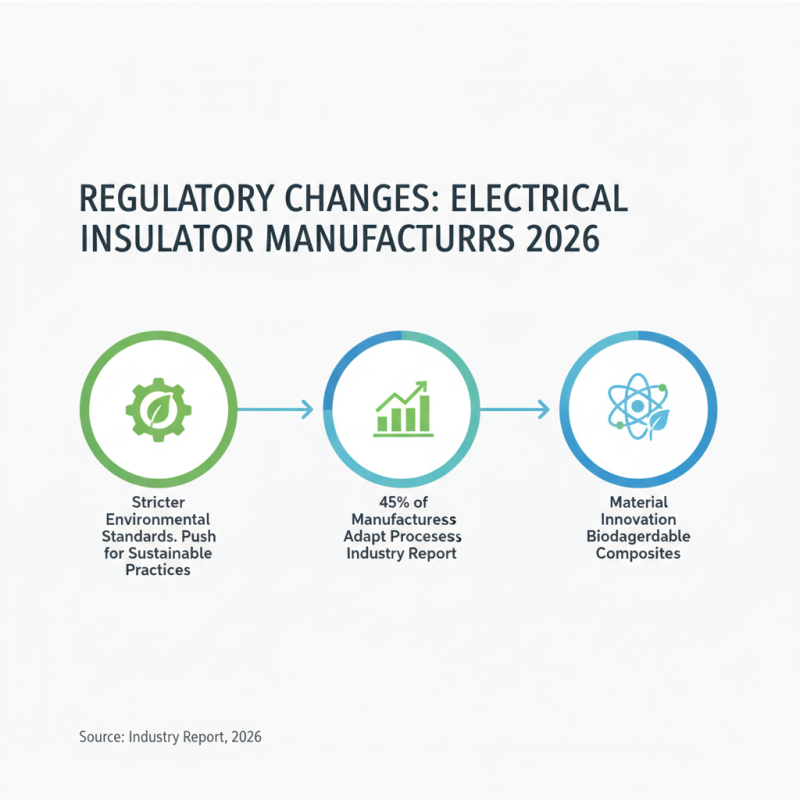
In 2026, regulatory changes are set to reshape the landscape for electrical insulator manufacturers. The push for sustainable practices has intensified, prompting manufacturers to comply with stricter environmental standards. According to a recent industry report, 45% of manufacturers anticipate adapting their processes to meet these demands. Innovations in materials, like biodegradable composites, are becoming key considerations for compliance.
Market analysis shows that companies may need to invest up to $5 million in upgrades to their facilities. This is a considerable increase compared to previous years. Staying ahead of these regulatory changes is crucial for maintaining a competitive edge. For instance, manufacturers should begin early assessments of their current practices. Transitioning to eco-friendly production methods can mitigate financial risks associated with non-compliance.
Tips: Regular training for staff on new regulations can ensure adherence and reduce errors. Investing in technology can streamline compliance reporting, making it easier to navigate complex regulations. Collaborating with regulatory bodies can offer insights into upcoming changes, helping manufacturers prepare effectively. Adjusting strategies now can fortify a company’s market position in this evolving landscape.