Best Heat Resistant Insulator Solutions for Global Buyers?
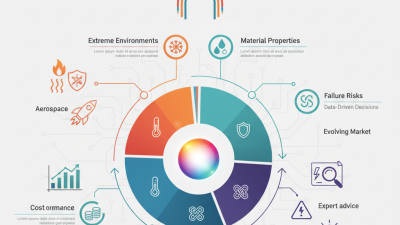
In a rapidly evolving industrial landscape, the demand for effective Heat Resistant Insulator solutions has surged. According to a recent report by Global Market Insights, the insulation market is projected to reach $70 billion by 2027, driven by the increasing need for energy efficiency and safety in various sectors. Heat Resistant Insulators play a critical role in applications ranging from aerospace to manufacturing. Their capacity to withstand extreme temperatures enhances system performance and longevity.
The complexity of selecting the right Heat Resistant Insulator is often underestimated. Not all materials are equal in terms of thermal resistance and durability. For example, ceramic and fiberglass insulators are widely recognized for their high-performance characteristics but can be costly. On the other hand, lower-cost alternatives may not provide the required thermal stability, leading to potential operational failures.
Furthermore, the evolution of sustainable materials poses both opportunities and challenges. While advancements in eco-friendly Heat Resistant Insulators are promising, finding reliable suppliers remains a concern for many global buyers. The intricate balance between cost, performance, and environmental impact necessitates careful consideration. Making informed decisions is vital for long-term success in this competitive market.

Understanding Heat Resistant Insulators and Their Importance
Heat resistant insulators play a crucial role across various industries. They protect personnel and machinery from extreme temperatures. With the increased reliance on high-heat processes, these materials are essential for safety and efficiency. Understanding their properties helps in selecting the right solutions for specific applications.
Manufacturers often face challenges in understanding the thermal characteristics of different insulators. For instance, some materials may not withstand prolonged high temperatures. This can lead to failures and increased maintenance costs. Furthermore, the importance of proper installation cannot be overstated. Even the best materials can fail if not applied correctly. Reliable sourcing and expert advice can significantly improve outcomes.
Selecting an insulator involves considering several factors. Temperature ratings, durability, and environmental impact are vital. However, relying solely on specifications can be misleading. Real-world performance may vary. It’s important to consult industry experts who can provide valuable insights. This ensures informed decisions, ultimately enhancing efficiency and safety in high-temperature applications.
Key Materials Used in Heat Resistant Insulator Solutions
Heat resistant insulators play a crucial role in various industrial applications. These materials are designed to withstand extreme temperatures without degrading. Significant advancements have been made in the production of these insulators. According to a recent report by MarketsandMarkets, the global demand for heat-resistant materials is projected to reach $63 billion by 2025.
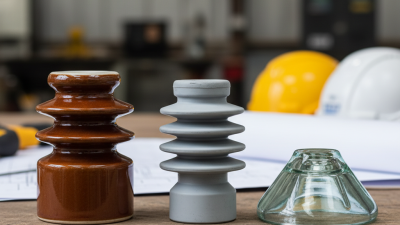
Key materials include ceramics, fiberglass, and silicone. Ceramics, known for their high melting points, are widely used in aerospace and automotive sectors. Fiberglass offers excellent thermal resistance and versatility, making it ideal for both residential and commercial applications. Silicone-based insulators provide flexibility and durability in high-temperature scenarios, often found in electrical applications.
However, choosing the right insulator can be challenging. Temperature ranges, environmental factors, and specific application needs must be carefully considered. Not all materials perform equally in all conditions. For example, fiberglass can become brittle over time, and ceramics may crack under thermal shock. Selecting the appropriate material requires a thorough understanding of each option's limitations and advantages.
Comparison of Heat Resistant Insulators: Types and Applications
Heat resistant insulators play a crucial role in various industries like aerospace, automotive, and energy. Key types include ceramic, fiberglass, and mineral wool. Each material has distinct properties that cater to specific thermal management needs. For instance, ceramic insulators can withstand temperatures exceeding 1,600°C, making them ideal for high-temperature applications. In contrast, fiberglass has a lower thermal resistance but offers excellent electrical insulation properties.
According to industry reports, the global heat resistant insulation market is expected to reach approximately $6.5 billion by 2025. This growth is driven by technological advancements and an increasing focus on energy efficiency. Despite their benefits, some heat resistant insulators require careful handling due to possible release of hazardous materials during production. This emphasizes the need for sustainable practices in sourcing and application. Understanding the specific requirements of each application is essential for optimal performance and safety.
Factors to Consider When Choosing Heat Resistant Insulators
When selecting heat resistant insulators, several key factors come into play.
The temperature range of the application is crucial. Materials must withstand specific heat levels without degradation.
Generally, insulators can resist temperatures from 200°C to over 1200°C.
Understanding your operational environment helps ensure longevity and efficiency.
Tip: Always consider the specific application and environment when choosing materials. Not all insulators are suitable for every situation.
Regular inspections and testing can highlight unexpected issues.
Another consideration is the mechanical strength of the insulator.
It should endure physical stress without cracking or breaking. For instance, high-density insulators offer better resistance to pressure.
Balancing cost with performance is often a challenge. It's critical to evaluate the long-term benefits of higher-quality materials against immediate budget constraints.
Top Global Suppliers of Heat Resistant Insulator Products
When exploring the market for heat resistant insulator products, numerous global suppliers stand out. A recent industry report indicates that the demand for such materials is projected to grow at a CAGR of 5.4% through 2028. This growth is spurred by the increasing need for energy efficiency and safety in various sectors, including aerospace and construction.
Leading suppliers are diversifying their product lines to meet the evolving needs of manufacturers. Their offerings range from ceramic and mineral-based insulators to innovative composites designed for extreme temperatures. It's worth noting that while many companies excel in production, others struggle with supply chain uncertainties. This inconsistency can impact delivery times and quality assurance, raising concerns for global buyers.
Sustainability is becoming a focal point in the industry. Many suppliers are investing in eco-friendly materials and production processes. This shift aims to align with global sustainability goals. However, the transition poses challenges, as the cost-effectiveness of these materials is often questioned. Balancing environmental responsibility and economic viability remains a delicate dance for suppliers.