Best Switchgear Insulators for Your Global Sourcing Needs?
In the evolving landscape of electrical infrastructure, choosing the right Switchgear Insulators is crucial for global project success. The global market for switchgear components is projected to reach $160 billion by 2025, driven by increasing demand for electricity and renewable energy sources. This underscores the importance of reliable insulators, which ensure operational safety and efficiency in electrical systems.
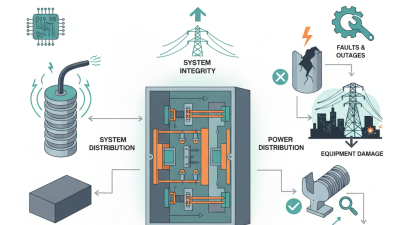
Switchgear Insulators play a vital role in protecting equipment and maintaining the integrity of power systems. Research indicates that nearly 45% of electrical failures can be attributed to insulation breakdown. Therefore, selecting high-quality materials and designs for these insulators is essential. However, inconsistencies in manufacturing can lead to critical failures that disrupt service.
As organizations prioritize sustainability and efficiency, the choice of Switchgear Insulators must align with evolving industry standards and regulations. While there are numerous suppliers globally, not all meet rigorous quality benchmarks. It's imperative to critically assess each option to mitigate risks. The investment in high-performance insulators ultimately enhances reliability and operational longevity in electrical systems.
Understanding Switchgear Insulators and Their Importance in Electrical Systems
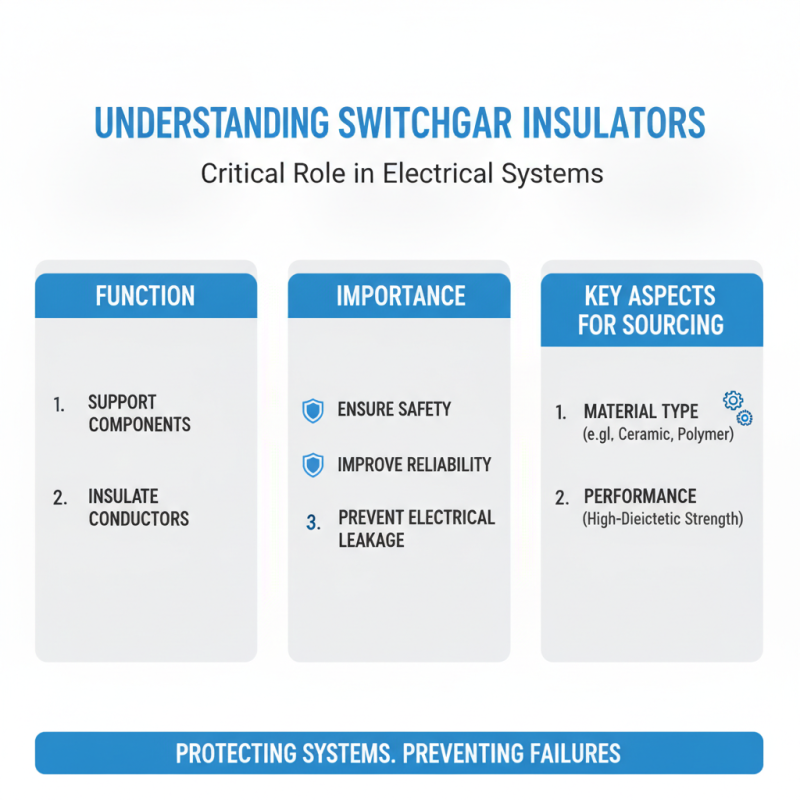
Switchgear insulators play a critical role in electrical systems. They support and insulate components, ensuring safety and reliability. Understanding their materials and functions is essential for effective sourcing. High-performance insulators prevent electrical leakage, protecting the entire system from failures.
The choice of insulator affects overall system efficiency. Insulators must withstand environmental stresses. Weather, pollution, and temperature variations can compromise their effectiveness. Therefore, assessment of these factors is vital. Engineers often overlook the long-term impacts of poor-quality insulators. Such choices can lead to costly repairs and outages.
In many cases, sourcing quality insulators is challenging. Global suppliers offer various options, making decision-making complex. Companies must evaluate each product’s specifications carefully. Knowledge and experience in selecting insulators can significantly influence project outcomes. It is crucial to prioritize reliability over price in these critical components.
Types of Switchgear Insulators: Material and Design Considerations
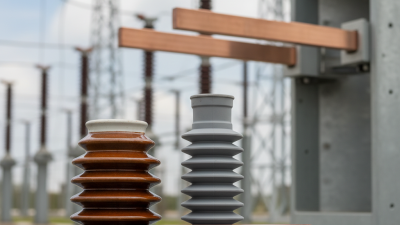
When sourcing switchgear insulators, understanding material and design options is essential. Various materials like porcelain, glass, and composite resin are utilized. Each offers unique advantages. Porcelain insulators are strong but can be heavy. Glass provides transparency but may shatter under stress. Composite materials offer lightweight solutions but may require careful handling.
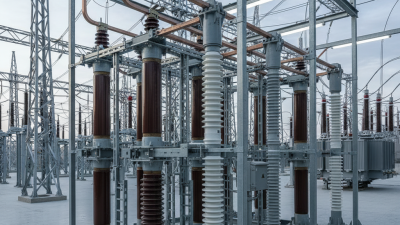
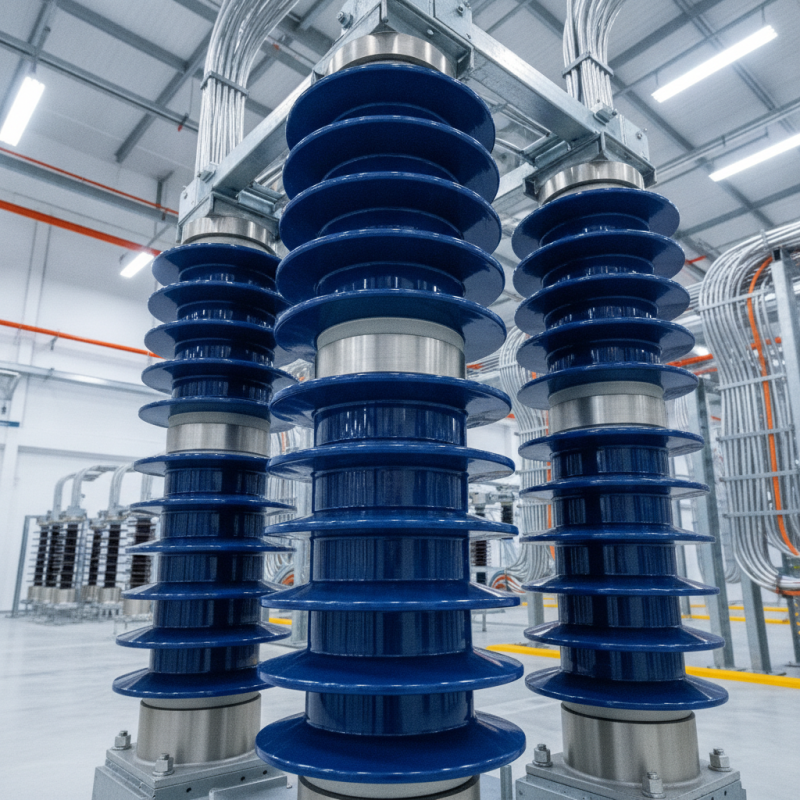
The design of insulators plays a critical role in their performance. Common designs include pin-type, suspension, and post insulators. Pin-type insulators work well in lower voltage applications. Suspension insulators are ideal for high voltage lines. Post insulators provide vertical support in substations. Choosing the right design involves assessing insulation strength and mechanical load requirements.
Tips for sourcing: Check certification standards for materials. Understand environmental impacts on performance. Evaluate potential vulnerabilities during installation and operation. Prioritize transparency in supplier communications. Consider long-term maintenance needs and service life expectations. Always assess your specific requirements carefully before making a decision.
Key Factors to Consider When Sourcing Switchgear Insulators Globally
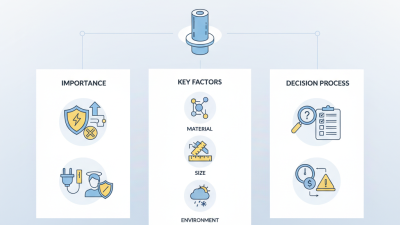
When sourcing switchgear insulators globally, understanding key factors is essential. One major consideration is the material. Common options include porcelain and composite materials. According to a recent market analysis, the global demand for composite insulators is projected to grow by 12% annually. This shift highlights an increasing preference for lighter and more durable options.
Another critical aspect involves climatic conditions. Insulators must withstand local weather extremes. For instance, areas with high humidity require insulators designed for wet environments. In contrast, insulators in arid regions need additional UV resistance. Each environment poses unique challenges that should not be overlooked.
Tip: Always verify supplier credentials and past performance. This ensures you are sourcing from reputable manufacturers.
Quality control also plays a vital role. Regular testing and compliance with international standards are necessary. Many factories fall short in this area. This oversight can lead to product failures. Therefore, it is crucial to prioritize suppliers that demonstrate robust quality assurance processes.
Tip: Request test results and certifications before finalizing any deals.
Last but not least, price can often be misleading. A lower initial cost might result in higher long-term costs due to replacements. Assess the total cost of ownership to make informed decisions. Understand these factors to enhance your sourcing strategy effectively.
Top Manufacturers and Brands for Switchgear Insulators Worldwide
When it comes to switchgear insulators, sourcing the right components can be challenging. The global market offers a myriad of manufacturers and brands. Reports indicate that the global switchgear market could reach a value of approximately $100 billion by 2025, driven by industrial growth and renewable energy demands. Understanding which manufacturers uphold the highest standards is crucial.
Key manufacturers focus on durability and efficiency. Many use advanced materials such as silicone rubber and glass to enhance insulation performance. According to industry analyses, products from established brands often exhibit lower failure rates. However, not every manufacturer offers the same level of reliability. Research indicates that nearly 20% of insulator failures stem from subpar manufacturing processes. It's essential to critically evaluate sourcing choices.
Moreover, the geographical distribution of manufacturers affects product availability and pricing. Regions known for innovation, like Europe and North America, tend to provide higher-quality insulators. However, they've also been facing supply chain disruptions and increasing costs. Emerging markets offer competitive pricing but may compromise on quality. Thus, diligence in assessing each brand’s reputation and track record is necessary.
Compliance Standards and Certifications for Switchgear Insulation Products
In the world of switchgear insulators, compliance with industry standards is crucial. Each region has its own set of regulations. These standards ensure safety and reliability in electrical systems. Testing processes verify the insulation's performance. Common standards include IEC, ANSI, and IEEE. Manufacturers must align their products with these specifications.
Certifications act as a mark of trust. They provide assurance to buyers about the product quality. However, navigating through these requirements can be complex. Some manufacturers may lack proper certification, raising concerns about reliability. It’s essential to conduct thorough background checks. Look for manufacturers with a solid track record.
Regular audits and assessments improve compliance. This helps the manufacturers maintain their standards. Ignoring these aspects can lead to significant risks. Clients should seek transparency in the certification process. The insulator’s performance during operation reflects its adherence to these standards. In an evolving market, staying updated with compliance requirements is vital.