How to Choose Switchgear Insulators for Optimal Performance?
Choosing the right Switchgear Insulators is crucial for optimal performance in electrical systems. Industry expert Dr. Sarah Thompson emphasizes, “Quality insulators ensure reliability and safety.” This statement highlights the importance of selecting appropriate insulators to avoid costly failures.
Switchgear Insulators play a pivotal role in upholding system integrity. They protect electrical components from environmental factors, ensuring consistent operation. An ill-suited insulator can lead to significant issues, including unexpected downtime and increased maintenance costs.
Understanding the specifications of different types of Switchgear Insulators is essential. Factors such as voltage rating, material composition, and environmental suitability must be considered carefully. There’s no universal solution; the right choice varies based on specific applications. Reflecting on past selections may reveal misjudgments, prompting a more informed approach.
Factors Influencing the Selection of Switchgear Insulators
When selecting switchgear insulators, several factors come into play. The
operating voltage is crucial. It determines the dielectric strength required
for insulation. High voltage systems demand robust materials to avoid breakdown. Crowds of manufacturers provide
insulator options, but not all meet high-performance standards.
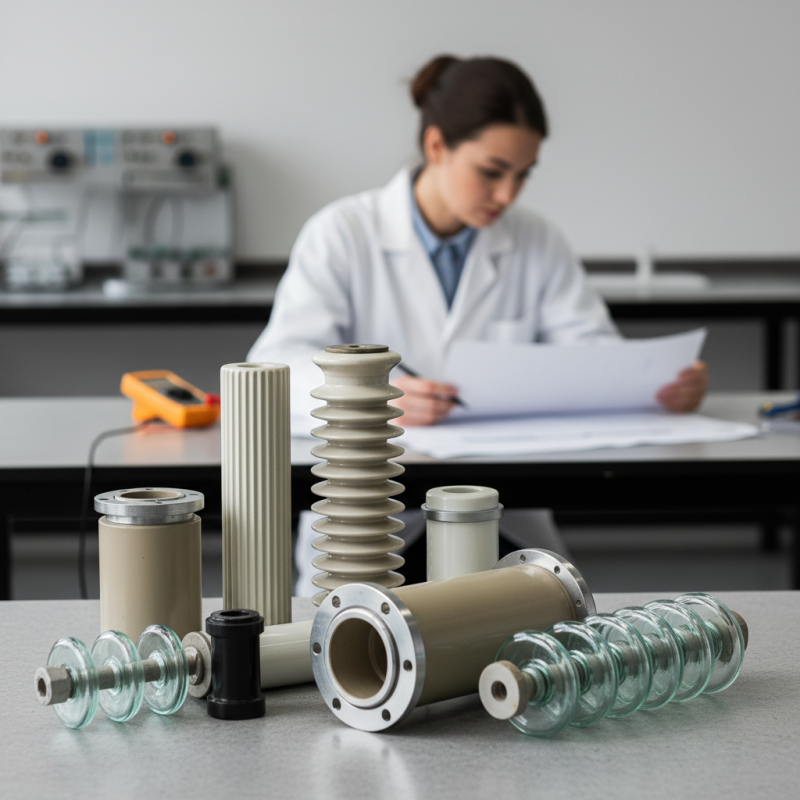
Material composition is another significant factor. Common choices include porcelain
and composite materials. Porcelain
offers durability and excellent electrical properties. However, it can be heavy and fragile in cold climates. On
the other hand, composite materials are lighter and more resistant to
environmental stress. Choosing the right material is crucial for long-term reliability.
Tips: Consider the environmental conditions where the
insulators will be used. Humidity, temperature fluctuations, and pollution levels affect the choice. Also,
think about the installation process. Some insulators are easier to install than others, which may impact
labor costs.
Further reflection is essential. It's important to assess the total lifecycle
of the insulator, not just upfront costs. Longevity and maintenance
requirements shape the overall investment. What seems cost-effective now may lead to issues later. This
understanding fosters a more informed decision.
Material Types for Switchgear Insulators and Their Electrical Properties
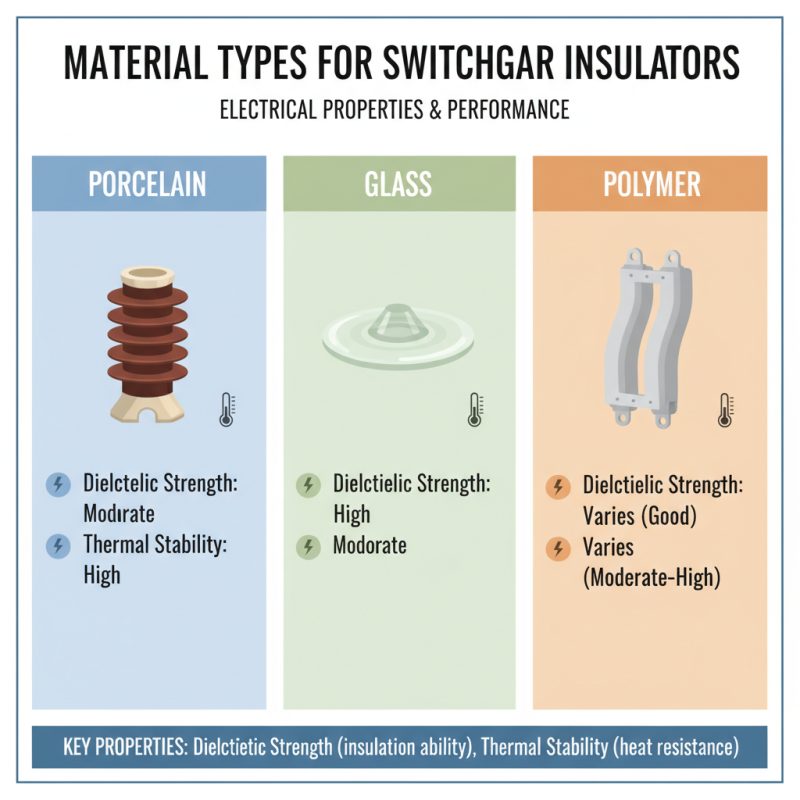
Switchgear insulators play a critical role in electrical systems. Choosing the right material for these insulators affects performance under various conditions. Common materials include porcelain, glass, and polymer. Each has unique electrical properties, such as dielectric strength and thermal stability.
Porcelain insulators are known for their excellent mechanical strength and durability. They withstand high voltages and harsh environments. However, they can be brittle and might crack under sudden temperature changes. Glass insulators offer transparency, allowing for easy monitoring. They also feature high resistivity, but they can be heavier and less favored in some applications.
Polymer insulators, on the other hand, have gained popularity due to their lightweight and flexibility. They resist pollution and have good electrical properties. Yet, their long-term reliability is still under scrutiny. Choosing the right insulator material involves understanding these properties and aligning them with the specific application needs. It's not a one-size-fits-all approach; careful consideration is essential.
Impact of Environmental Conditions on Insulator Performance and Longevity
When selecting switchgear insulators, environmental conditions play a crucial role. Climate variability, humidity, temperature extremes, and pollution can dramatically affect performance and longevity. For instance, moisture can lead to electrical tracking, while high temperatures may degrade insulation materials. Understanding these factors is vital for ensuring optimal performance.
Consider the local environment before making a choice. If your installation is in a coastal area, look for insulators that handle salt pollution well. Similarly, areas with heavy industrial pollution require insulators with enhanced resistance properties. Dust and dirt accumulation can also impair electrical performance, reducing the lifespan of the insulator.
**Tips:** Regular inspections are essential. Schedule maintenance checks, especially after severe weather. It’s also wise to choose materials that can withstand the specific challenges of your environment. Always consult with professionals who understand local conditions and capabilities of different insulator types to make informed decisions.
Impact of Environmental Conditions on Insulator Performance and Longevity
This chart illustrates the performance degradation of switchgear insulators under various environmental conditions over a five-year period. The data considers different factors such as humidity, temperature fluctuations, pollution levels, and UV exposure. Understanding these impacts is crucial for selecting the right insulators to ensure optimal performance and longevity.
Testing Standards and Methods for Evaluating Switchgear Insulators
When selecting switchgear insulators, testing standards play a critical role. These insulators must withstand various environmental conditions. Common tests include electrical strength, thermal properties, and mechanical stability. Each test provides insight into an insulator's performance in real-world scenarios.
Testing methods vary widely. Insulators are typically subjected to high voltage testing to ensure reliability. A dielectric breakdown test reveals how well an insulator can handle electrical stress. Mechanical tests, on the other hand, assess the structural integrity under load. This information is vital, as failure in service can lead to severe implications.
Moreover, the evaluation process is not always perfect. Discrepancies can arise from testing conditions not simulating real-world applications. Sometimes, a seemingly strong insulator fails prematurely. Continuous monitoring and real-time data collection can enhance reliability. Overall, understanding testing standards is essential for optimal performance of switchgear insulators.
How to Choose Switchgear Insulators for Optimal Performance? - Testing Standards and Methods for Evaluating Switchgear Insulators
| Insulator Type |
Material |
Voltage Rating (kV) |
Testing Standard |
Evaluation Method |
| Porcelain Insulator |
Ceramic |
36 |
IEC 60273 |
Dielectric Strength Test |
| Composite Insulator |
Polymer |
72.5 |
IEEE 1109 |
Mechanical Testing |
| Glass Insulator |
Glass |
123 |
IEC 60309 |
Thermal Shock Test |
| Silicone Rubber Insulator |
Silicone |
145 |
IEC 60587 |
Tracking Resistance Test |
Economic Considerations in Choosing Insulators for Switchgear Applications
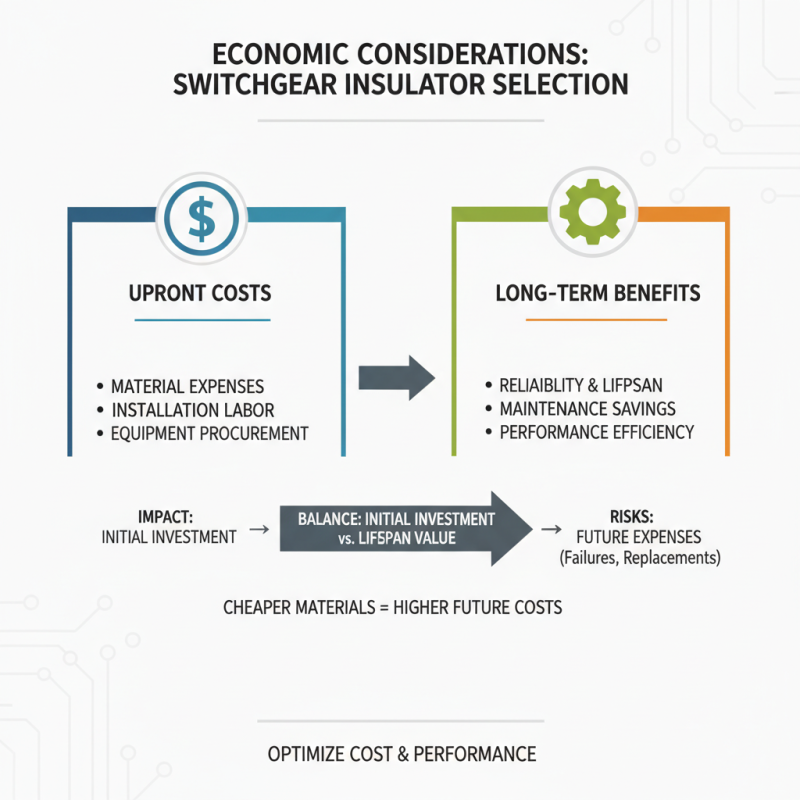
When selecting insulators for switchgear, economic factors play a crucial role. Insulators are essential for performance and reliability. Yet, the upfront costs can be significant. It's essential to balance initial investment with long-term benefits. Cheaper materials may reduce costs today but can lead to expenses later.
Consider lifecycle costs carefully. This includes maintenance, replacement, and operational efficiency. High-quality insulators may have a higher price tag but often result in reduced downtime and fewer failures. Reliability impacts overall system costs, and unexpected failures can be expensive.
Evaluate the material options. Composite and ceramic insulators have different price points and performance characteristics. Composite insulators can be lighter and easier to install. However, they may wear down faster in harsh conditions. Each option has trade-offs that need careful consideration. Ensure that you factor in the specific environmental conditions and operational requirements of your facility.