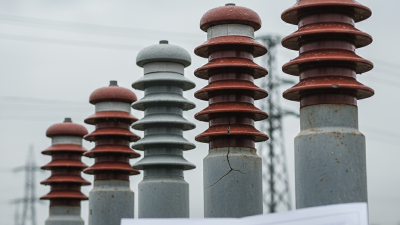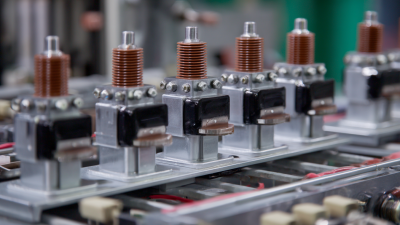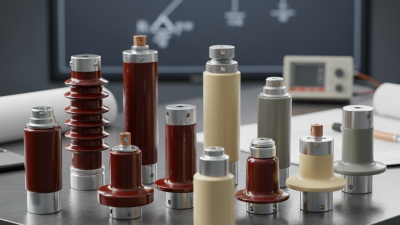
Choosing Switchgear Insulators is not a catalog exercise. The right component must match the equipment’s voltage, insulation level, mounting arrangement, and operating environment. A unit that looks suitable on a specification sheet may struggle when exposed to moisture, dust, heat, vibration, or repeated electrical stress. Small details matter: creepage distance, material quality, dimensional tolerances, and the condition of mounting surfaces can all affect performance.
An illustrative expert perspective—not a published quotation—captures the practical point: “Choose the insulator for the real stresses at the installation, not just the nominal voltage.” — Dr. Elena Morris, fictional switchgear insulation specialist. In practice, engineers compare porcelain and composite options, check creepage requirements, and confirm mechanical loads against the manufacturer’s data. They also consider maintenance access and expected service life. These checks help narrow the choices.
There is no universal best insulator. Harsh outdoor exposure may favor different properties than a clean indoor switchroom. And specifications do not tell the whole story. Installation quality and operating conditions can change how a component performs over time. This guide explains the key factors behind a sound selection, from electrical and mechanical ratings to material, environment, and supplier documentation. It also points out where teams can make assumptions too quickly. A careful review may take longer, but replacing an unsuitable insulator later can be harder.
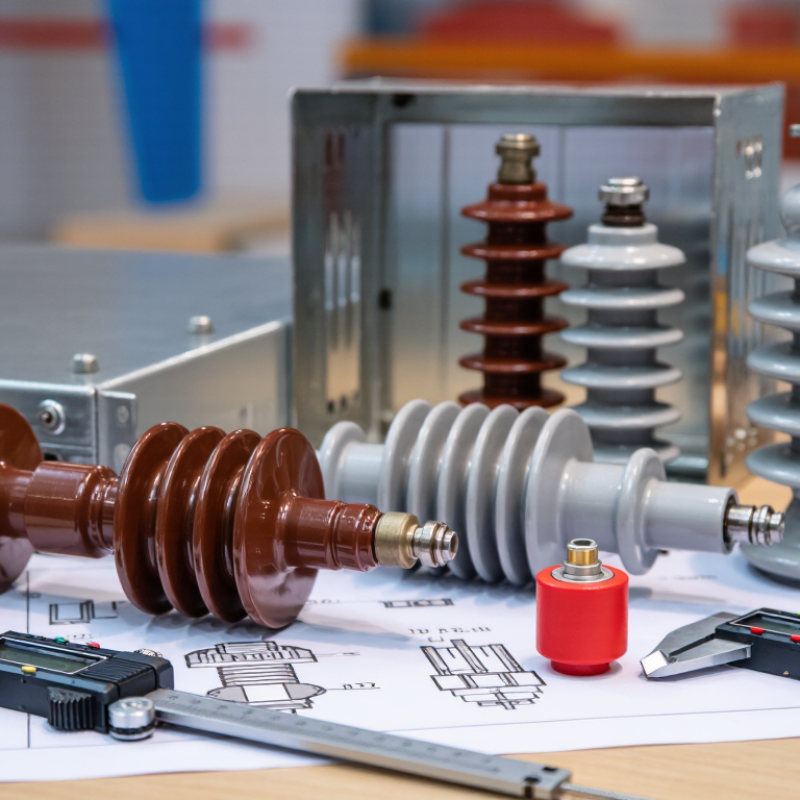
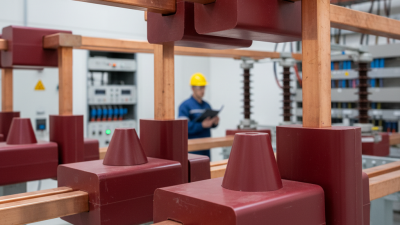
A switchgear insulator does more than separate electrical parts. It may support a busbar, isolate a live connection from a grounded enclosure, or guide a conductor through a barrier. Its role depends on its exact position in the assembly. That detail matters.
Consider a busbar support inside a metal enclosure. The insulator must maintain phase-to-phase and phase-to-ground clearances while carrying mechanical loads. During a fault, electromagnetic forces can push busbars sharply. A part that looks adequate during normal operation may not provide enough support under that stress. Outdoor equipment faces different demands, including rain, dust, and changing temperatures.
Identify the insulator’s location and function before comparing materials or dimensions. Note the system voltage, impulse withstand requirement, available space, and expected mechanical load. Surface creepage distance also matters where moisture or contamination may collect. Small details count. A voltage rating alone is not enough. Check drawings, equipment specifications, and applicable test documentation together. I would be cautious about choosing from a catalogue description alone; it may omit the installation conditions that shape performance. And real enclosures are rarely as clean as drawings suggest. A careful review of the actual environment can prevent a reasonable-looking choice from becoming a weak point in service.
Choosing a switchgear insulator starts with the electrical conditions it must withstand, not just its physical size. Confirm the system’s highest operating voltage, not only its nominal rating. Switching surges, lightning impulses, and temporary overvoltages can challenge insulation. Compare specified withstand levels with network conditions and relevant engineering standards. A table helps. Record phase-to-phase voltage, phase-to-ground voltage, and expected transient exposure separately. These values are easy to mix up.
Current matters differently. Insulators support conductors and mechanical loads; current normally flows through the conductors, not the insulating body. Still, conductor temperature, nearby heat, and fault forces can affect material choice, clearances, and support design. Note continuous current, overload duration, and short-circuit forces, then check that the assembly can handle resulting heat and mechanical stress. Keep conditions realistic.
Dust, salt, moisture, altitude, and UV exposure can age surfaces or increase insulation demands. Compare required creepage distance, insulation material, and pollution conditions at the installation site. A clean indoor test may not represent a damp coastal yard. It is worth checking. If ratings or site data are uncertain, have a qualified engineer review the assumptions. Even careful estimates can miss local conditions.
Switchgear insulators must match the equipment’s voltage, environment, and mechanical loads. Porcelain offers strong compressive performance and handles heat well, but it is heavy and can crack under impact. Silicone composite units are lighter and hydrophobic, helping water bead off polluted surfaces. Their housing and core still need careful inspection for aging or damage. Epoxy supports compact indoor designs, though outdoor exposure requires a product specifically rated for it.
Design matters as much as material. A longer creepage path and well-spaced sheds can improve performance in polluted or humid locations. Compare the specified creepage distance, voltage class, temperature range, and cantilever load with the switchgear drawings. In coastal or dusty sites, surface contamination may build up faster than expected. A choice that looks suitable on paper can still need review against actual site conditions. Small details matter.
Tips: Confirm indoor or outdoor duty, pollution level, altitude, and maintenance access before selecting. Check the drawing. Ask the supplier for test data covering the intended conditions, and verify dimensions against the assembly. If the environment is poorly documented, pause and reassess; assumptions are easy to miss.
Compare common insulator materials across practical selection factors.
Ratings are an indicative qualitative comparison on a 1–5 scale (5 = stronger fit), reflecting common material characteristics. Actual performance depends on product design, operating conditions, and applicable standards; confirm selection against manufacturer specifications and project requirements.
Choosing a switchgear insulator starts with the loads it must carry. Check rated voltage, bending strength, tensile load, and the forces created during short circuits. Compare these values with the equipment design, not just a catalogue rating. A busbar connection that looks modest can still create substantial leverage. Allow for vibration and installation tolerances, too. Small misalignments matter.
Environmental conditions shape the choice. Salt, dust, industrial pollution, and frequent condensation can increase surface leakage and tracking risk. Review creepage distance, material performance, operating temperature, ultraviolet exposure, and site altitude. Then check the applicable IEC or IEEE requirements, project specifications, and required test evidence. Confirm that the stated standard edition matches the project documents. Requirements differ by application. It is easy to focus on voltage and miss the cleaning routine or local contamination level; that deserves a second look.
Tips: Ask for mechanical and environmental test data, not only a product summary. Check how the insulator will be stored, handled, and mounted. Inspect clearances against the actual switchgear layout. If site conditions are uncertain, document the assumptions and have a qualified engineer review them before selection. A tidy specification helps.
Choosing a switchgear insulator starts with the conditions it must withstand. Match its voltage rating and insulation level to the equipment, then check creepage distance against expected dust, salt, or moisture. Altitude and temperature matter too. A rating that fits the nameplate may still be unsuitable for a hot, polluted enclosure. Confirm mounting dimensions, conductor clearances, and mechanical loads against the actual assembly drawing. Small details matter.
Installation can quietly undermine a suitable insulator. Keep mating surfaces clean, align the unit without forcing it, and tighten fasteners to the equipment maker’s specified values. Uneven loading or excess torque can damage a brittle part before energization. Check clearances after assembly, not just on paper. It is easy to overlook cable movement or a tool left near a live-part barrier; a final visual check helps catch both.
Plan maintenance around the site, not a generic calendar. Inspect for cracks, chips, tracking marks, loose hardware, and deposits that hold moisture. Clean only with methods approved for the insulator material, since harsh solvents can degrade some surfaces. Record findings and compare them over time. A faint mark can be hard to judge, so uncertain damage deserves review by a qualified switchgear professional rather than guesswork.