How to Choose the Best Standoff Insulator for Your Needs?
Choosing the right standoff insulator can significantly impact your project's success. The global standoff insulator market is projected to reach $3.6 billion by 2026, reflecting growing demands in various industries. With the complexities involved in electrical insulation and safety, selecting an appropriate insulator requires careful consideration.
Using standoff insulators correctly ensures that electrical components are safely distanced from conductive surfaces. These insulators come in various materials and designs. Their effectiveness relies on factors like voltage ratings and environmental conditions. For instance, ceramic and polymer insulators have different performance characteristics. Industry reports emphasize the importance of quality in avoiding potential failures.
However, making the right choice is not always straightforward. Many individuals underestimate the significance of specific features such as thermal resistance and mechanical strength. Failing to account for these can lead to costly mistakes. It’s essential to evaluate your specific needs through expert consultation and rigorous testing. By understanding these elements, electrical engineers can enhance safety and reliability in their projects.
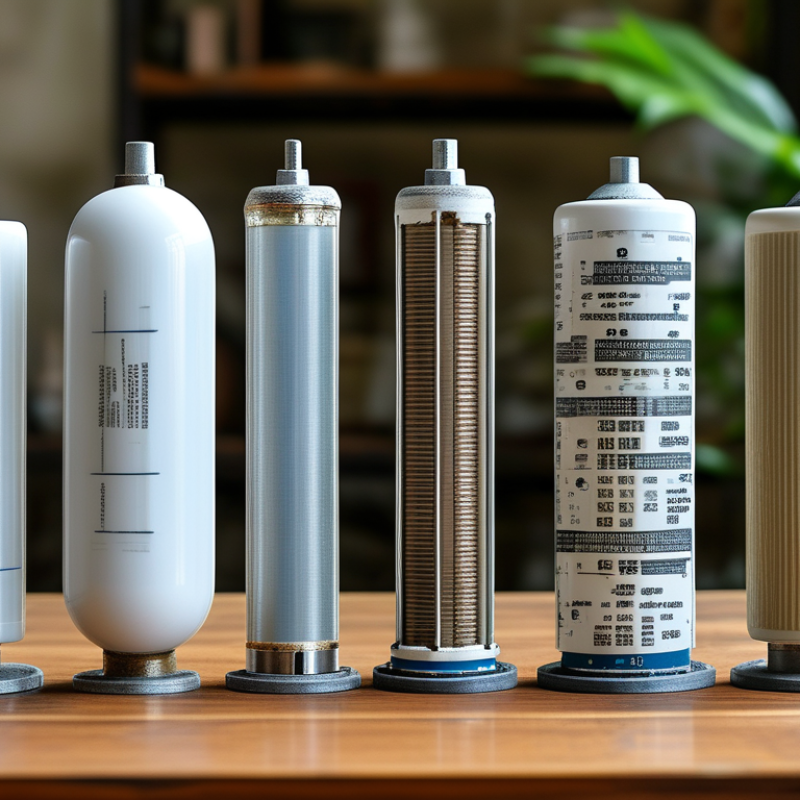
Understanding Standoff Insulators: Definition and Purpose
Standoff insulators play a crucial role in electrical and structural applications.
They are designed to separate electrical conductors from surfaces and each other. This prevents short circuits and electrical failures. Made from durable materials, they can withstand harsh conditions. Their primary purpose is to ensure
safety and reliability in various settings.
Choosing the right standoff insulator requires understanding your specific needs. Consider factors such as voltage levels, environmental conditions, and spacing requirements. Different designs, like cylindrical or rectangular, can impact how effectively they function. You might realize that a more robust insulator is necessary in high-vibration environments. Evaluating the
material used is equally important. Some insulators resist heat better than others.
It's easy to underestimate the importance of these components. A simple mistake in choosing an insulator can lead to failures. Reflecting on past installations may reveal oversights. Did you consider the dielectric properties adequately? An experienced designer will not only analyze specifications but also visualize the end application. This holistic approach ensures optimal performance and longevity. Balancing cost and
quality also influences your decision. Finding the right standoff insulator is essential, but it requires thoughtful evaluation.
Types of Standoff Insulators and Their Applications
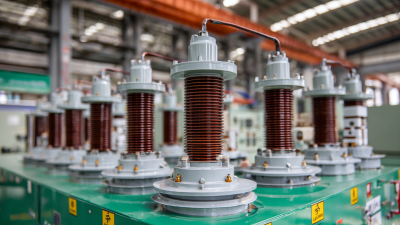
When selecting standoff insulators, understanding their types and applications is vital. Standoff insulators are crucial in electrical systems. They maintain proper spacing between conductive components, ensuring safety and performance. Common materials include porcelain, glass, and composite options, each serving unique requirements.
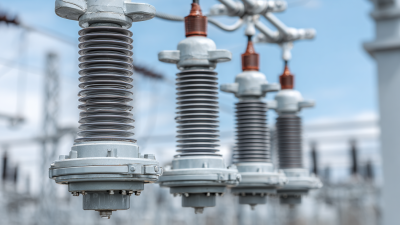
Porcelain insulators are durable and weather-resistant. They are suitable for high-voltage power lines.
Glass insulators, on the other hand, are popular for their transparency and aesthetic. They are easy to inspect visually.
Composite insulators are lightweight and increasingly favored in various environments, especially in areas prone to contamination.
Each type of insulator has pros and cons. Porcelain may crack under impact, while glass can break easily if dropped. Composite insulators can degrade over time, necessitating regular inspection. Choosing the right insulator requires careful consideration of these factors and the specific needs of your setup.
Key Factors to Consider When Selecting Standoff Insulators
When selecting standoff insulators, several key factors come into play.
Material is crucial. Common materials include nylon, plastic, and ceramic.
Each offers distinct benefits. For instance, nylon is known for its strength and longevity.
In contrast, ceramic insulators are excellent for high-voltage applications.
According to a report by the IEC, choosing the right material can increase the lifetime of insulators by up to 30%.
Another important consideration is electrical properties.
The breakdown voltage is a critical parameter. Insulators must withstand the intended voltage without failure.
Research shows that insulators with a high dielectric strength can effectively prevent electrical arcing, reducing maintenance costs.
Additionally, temperature resistance is vital.
Insulators should perform well in varying conditions. Over 40% of failures are associated with temperature fluctuations,
as noted in data from IEEE.
Finally, mechanical strength should not be overlooked.
Standoff insulators need to endure environmental stress, including wind and seismic activity.
Understanding the environmental conditions of your installation site helps in making informed choices.
A report from NEMA highlights that improper selection can lead to insulation breakdown,
costing organizations significant repair expenses.
Installation and Maintenance Tips for Standoff Insulators
When selecting standoff insulators, understanding installation and maintenance is crucial. Proper installation reduces risks like electrical failure. According to the Insulator Manufacturers Association, a small misalignment can lead to increased stress on the insulator. This may result in premature failure. Ensuring that the insulators are installed according to manufacturer recommendations can prevent common issues.
Regular maintenance of standoff insulators is essential for long-term reliability. Inspecting them for signs of wear can save costs later. The Electric Power Research Institute notes that roughly 25% of insulator failures are due to environmental factors like pollution or corrosion. Clean the surfaces periodically, especially in areas with heavy industrial activity. Identifying cracks or degradation early can avoid costly downtime.
Documenting maintenance activities is vital for transparency. Keeping a maintenance log helps track performance over time. Ignoring these steps might lead to more significant problems. An unmaintained insulator could risk entire systems. Ensuring that best practices are followed in both installation and upkeep can enhance the life of standoff insulators significantly.
How to Choose the Best Standoff Insulator for Your Needs?
| Insulator Type |
Material |
Voltage Rating (kV) |
Temperature Range (°C) |
Application |
| Porcelain |
Ceramic |
33 kV |
-40 to 120 |
Transmission Lines |
| Composite |
Polymer |
36 kV |
-40 to 90 |
Substations |
| Glass |
Glass |
20 kV |
-50 to 80 |
Distribution Systems |
| Polymer |
Thermoplastic |
15 kV |
-30 to 100 |
Rooftop Installations |
Common Mistakes to Avoid When Choosing Standoff Insulators
When selecting standoff insulators, many overlook important factors that can impact performance. One common mistake is disregarding the insulation material. For instance, polycarbonate is resilient but may not withstand extreme temperatures as effectively as other materials. This can lead to failures in high-voltage environments, which is critical as electrical outages cost industries approximately $150 billion annually due to equipment damage and downtime.
Another frequent error is ignoring mechanical load specifications. Each standoff insulator has a specified load capacity. Choosing an insulator that cannot support the required weight can lead to structural failures. In a 2021 industry report, it was noted that improper load management contributed to 30% of electrical system failures. This underlines the importance of carrying out exact calculations based on expected loads.
Lastly, lack of understanding regarding environmental conditions is a significant oversight. Standoff insulators are often subjected to harsh weather conditions. Moisture, extreme temperatures, and UV exposure can degrade insulators over time. According to the International Electrotechnical Commission, insulator degradation significantly amplifies maintenance costs and risks. It’s vital to conduct thorough research and consider these variables to ensure long-term reliability and safety in electrical installations.