What is a Composite Insulator and How Does it Work?
Composite insulators have revolutionized the electrical industry by providing enhanced performance and reliability. According to a recent report by the International Electrotechnical Commission, composite insulators can reduce maintenance costs by up to 30%. Industry expert Dr. Emily Chen emphasizes their importance, stating, “Composite insulators not only enhance operational efficiency but also ensure safety in transmission systems.”
These innovative products combine advanced materials like fiberglass and silicone, creating a resilient structure. They withstand harsh environmental conditions, outperforming traditional porcelain or glass insulators. Despite their benefits, some challenges remain. The adoption of composite insulators can be hindered by initial costs and specific installation requirements.
However, as the demand for reliable and efficient power transmission grows, the industry must address these issues. Developing clearer guidelines and best practices will enhance the adoption of composite insulators. Understanding both their advantages and limitations is crucial for engineers and project managers alike. Embracing innovative solutions like composite insulators could pave the way for safer and more efficient power systems in the future.
What is a Composite Insulator?
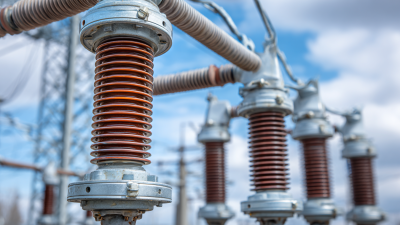
Composite insulators are advanced components used in electrical systems. They consist of a core material, typically fiberglass, wrapped in an outer layer of polymer. This design offers several benefits over traditional insulators. They are lighter, more durable, and require less maintenance. Many utilities prefer them for overhead lines due to these advantages.
The key function of a composite insulator is to provide electrical insulation while supporting high voltage lines. The polymer surface prevents moisture and dirt from accumulating, which helps maintain performance. Additionally, composite insulators resist UV radiation and weathering better than conventional materials. This longevity reduces the frequency of replacements in challenging environments.
However, not all applications suit composite insulators. Some environments may pose challenges regarding thermal expansion. The installation must account for these differences to ensure reliability. Engineers must assess local conditions to determine the best insulator type, balancing performance and cost. It’s crucial to invest time in understanding these factors before implementation.
Composite Insulator Performance Comparison
Key Components of Composite Insulators
Composite insulators play a crucial role in the electrical industry by isolating conductive materials. They are made from composite materials, combining fiberglass and silicone rubber. This construction offers excellent resistance to electrical stress and environmental factors, such as UV radiation and pollution. Reports indicate that composite insulators have reduced failure rates compared to traditional glass or porcelain insulators.
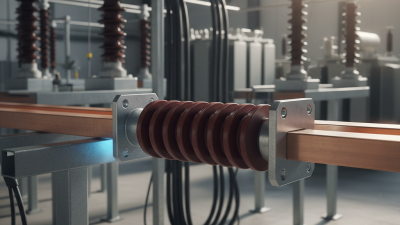
Key components of composite insulators include the core, shed, and end fittings. The core, usually made of fiberglass, provides the required mechanical strength. The shed, crafted from weather-resistant silicone rubber, helps to repel dirt and moisture, crucial for preventing tracking and flashover. End fittings secure the insulator to the supporting structures.
**Tip:** Regular inspection can identify early signs of wear. Look for cracks or discoloration, as these can signal potential failures.
Further studies suggest that using composite insulators can lower maintenance costs by up to 30%. They require less frequent cleaning and replacement. However, not all environments are suitable for composite materials. Poor chemical resistance in some areas can lead to accelerated degradation.
**Tip:** Evaluate local environmental conditions before selecting insulators. Factors like salt or chemical exposure can influence material longevity.
Working Principle of Composite Insulators
Composite insulators play a crucial role in modern electrical systems. They consist mainly of a fiberglass core and a polymer housing. This design helps them withstand harsh environmental conditions. The fiberglass provides mechanical strength, while the polymer insulates and protects against wet and polluted conditions.
The working principle of composite insulators revolves around their ability to repel water and contaminants. Unlike traditional porcelain insulators, composite materials resist the accumulation of dirt and moisture. This ensures reliability in diverse climates. When subjected to high voltage, the insulator inhibits current flow, maintaining system stability.
However, there are challenges. Proper maintenance is essential to ensure their longevity. Over time, environmental factors can degrade the surface. Regular inspections help identify wear and tear. Innovations in material science continue to improve these insulators’ performance, but vigilance is key for optimal function.
What is a Composite Insulator and How Does it Work? - Working Principle of Composite Insulators
| Property |
Value |
| Material |
Polymer Composites |
| Voltage Rating |
Up to 400 kV |
| Temperature Range |
-40°C to +90°C |
| Mechanical Strength |
Grade of 130 MPa |
| Corrosion Resistance |
Excellent |
| Typical Applications |
Transmission Lines, Substations |
| Maintenance |
Low maintenance requirements |
| Advantages |
Lightweight, high durability, weather resistant |
Advantages of Using Composite Insulators
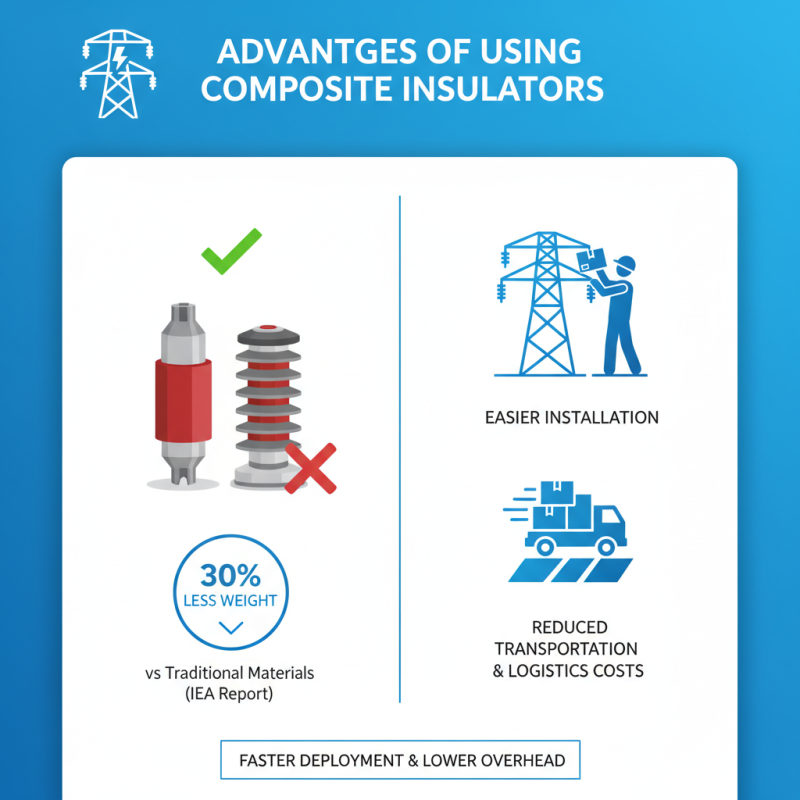
Composite insulators are gaining popularity in the electrical industry due to their numerous advantages. One major benefit is their lightweight nature. According to a report by the International Energy Agency, composite insulators can reduce overall weight by 30% compared to traditional materials. This feature facilitates easier installation and transportation, trimming down logistical costs significantly.
Additionally, composite insulators excel in electrical performance. They offer superior resistance to pollution and environmental factors. A study from the Electric Power Research Institute found that composite insulators demonstrate a failure rate lower than 0.1% in contaminated environments, far outperforming ceramic options. Their ability to resist aging and withstand harsh conditions enhances reliability, making them suitable for diverse geographic areas, from humid coasts to arid deserts.
Despite these advantages, challenges remain. Some users report difficulty in manufacturing consistent quality levels. Variability in properties can occur based on production techniques. This inconsistency requires careful inspection and testing. Moreover, while they can be cost-effective in the long term, the initial investment is often higher compared to traditional insulators. Addressing these shortcomings is crucial for maximizing the potential of composite insulators in the future.
Applications of Composite Insulators in Electrical Systems
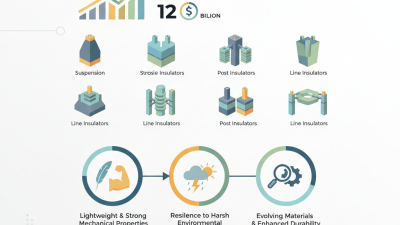
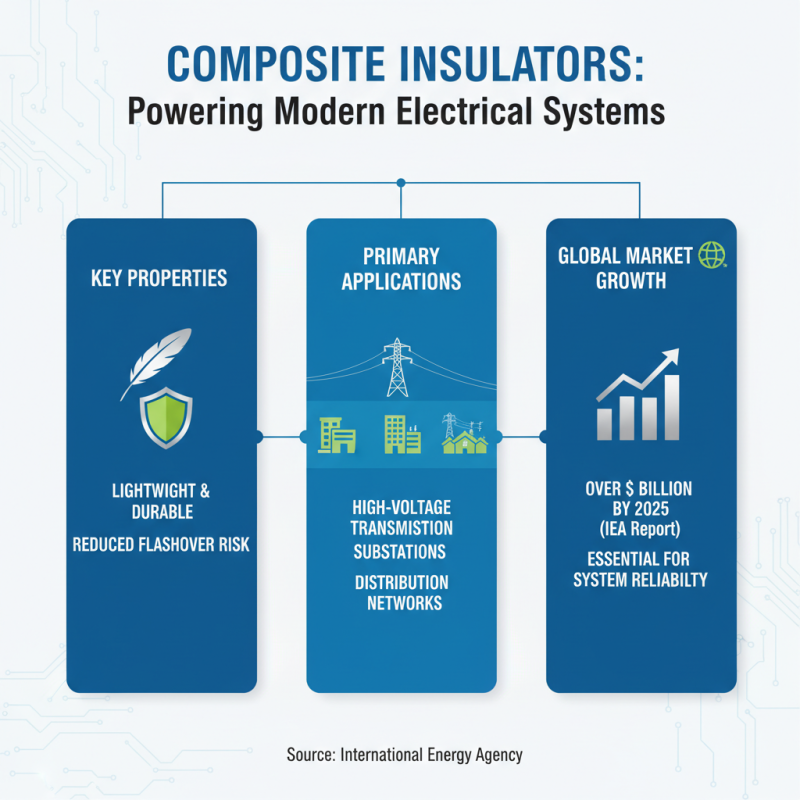
Composite insulators have become essential in modern electrical systems due to their lightweight and durable properties. They are widely utilized in high-voltage transmission lines, substations, and distribution networks. These insulators reduce the risk of flashover and help maintain system reliability. According to a report by the International Energy Agency, the global market for composite insulators is expected to reach over $2 billion by 2025.
The applications of composite insulators are extensive. They are primarily used in locations that experience harsh weather conditions. Regions prone to heavy rainfall, snowfall, or extreme temperatures benefit significantly from composite technology. This is because composite insulators are less susceptible to moisture absorption. A study published in the Journal of Electrical Engineering indicated that using composite insulators can improve the reliability of power systems by up to 30%.
However, these insulators are not without their challenges. Issues can arise regarding tracking resistance and aging under certain environmental conditions. While they perform exceptionally well overall, there is still a need for ongoing testing and monitoring. Industry experts emphasize the importance of understanding these limitations for optimal performance. Proper maintenance and periodic inspections are crucial for maximizing their lifespan and efficiency in electrical applications.