5 Essential Tips for Choosing Ground Bar Standoff Insulator?
Choosing the right Ground Bar Standoff Insulator is vital for electrical safety and infrastructure longevity. High-quality insulators maintain the connections and enhance overall system performance. However, not all insulators are created equal. The market is filled with options that vary in materials, design, and functionality.
Understanding the specific requirements of your project is crucial. Factors such as voltage rating, environmental conditions, and connection type significantly influence the choice. Many overlook these details, leading to unreliable installations. It is essential to consider both standard products and specialized options based on your needs.
Ultimately, selecting an appropriate Ground Bar Standoff Insulator can save costs in repairs and prevent safety hazards. Invest time in research and consult professionals. Failure to choose wisely could lead to unnecessary challenges down the line. Balancing quality, compatibility, and cost is key. Make informed decisions for lasting results.
Understanding the Purpose of Ground Bar Standoff Insulators
Ground bar standoff insulators play a crucial role in electrical systems. They provide necessary insulation between ground bars and the mounting surface. This insulation prevents electrical leakage and improves system reliability. Research indicates that improper insulation selection can lead to increased failure rates, with over 20% of electrical faults attributed to insulation issues.
Choosing the right standoff insulator involves understanding its function. These insulators maintain distance and separation, which is essential in high-voltage environments. The National Electrical Manufacturers Association (NEMA) highlights that maintaining a minimum clearance can reduce the risk of arcing. Different materials like nylon and ceramic offer various benefits in terms of durability and environmental resistance. For example, nylon insulators may withstand temperatures up to 90°C, while ceramic ones can operate effectively in extreme conditions.
Beyond material selection, installation practices are vital. Proper torque specifications during installation help achieve optimal performance. A study by the Institute of Electrical and Electronics Engineers (IEEE) found that inadequate installation can undermine standoff effectiveness, potentially causing operational failures. Ensuring that all components are correctly aligned and secure is not just a best practice but a necessity. Many installers overlook these aspects, which can lead to costly consequences in the long run.
5 Essential Tips for Choosing Ground Bar Standoff Insulators
Key Factors to Consider When Selecting Standoff Insulators
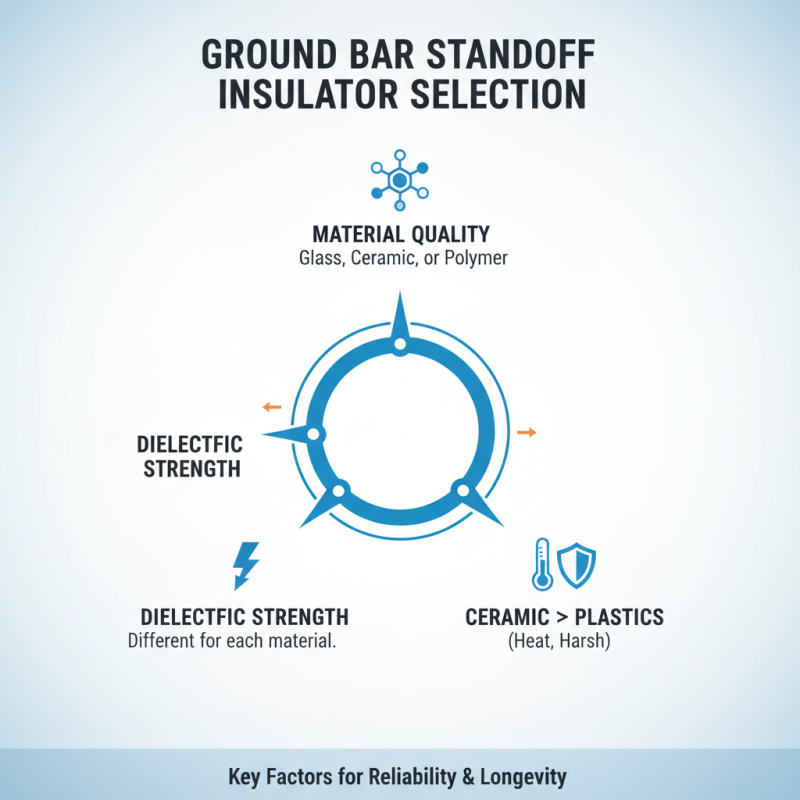
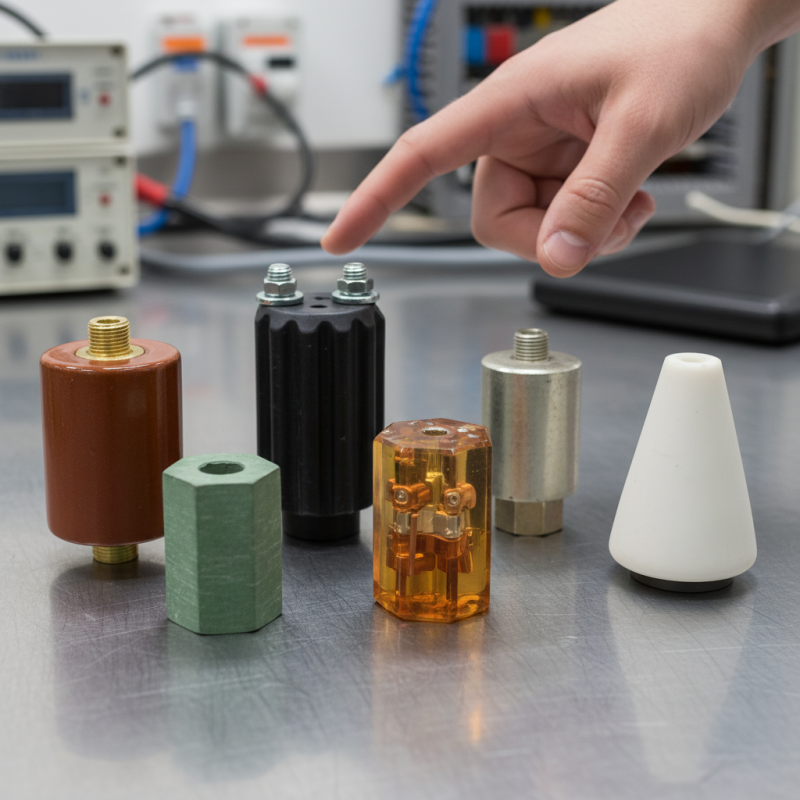
When selecting ground bar standoff insulators, several key factors should guide your decision. The primary concern is material quality. Insulators are typically made from glass, ceramic, or polymer. Each material offers different dielectric strengths. According to industry data, ceramic insulators can withstand higher temperatures and harsh environments better than plastics.
Another critical factor is voltage rating. Ensure the insulator can handle the voltage levels present in your application. A mismatch can lead to failures. Reports show that insulators rated below necessary voltage levels can lead to catastrophic equipment damage. Additionally, consider the physical dimensions. Insulators must fit existing infrastructure without unnecessary modifications. Proper sizing affects insulation performance.
Moreover, environmental conditions play a significant role. Weather can impact longevity and effectiveness. Insulators exposed to extreme temperatures or UV light need extra protection. Studies indicate that failure rates increase in areas with high pollution. Ignoring this can shorten the insulator's lifespan and affect reliability. It's essential to evaluate these factors to avoid costly mistakes.
Material and Durability: Choosing the Right Insulator Type
When selecting ground bar standoff insulators, material and durability are crucial. Different materials offer varying levels of resistance to weather, UV exposure, and mechanical wear. For instance, porcelain insulators excel in high-voltage applications. They resist damage and have a long lifespan. However, they can be heavy and require careful handling during installation. On the other hand, polymer materials are lightweight and flexible, making them easier to install. Yet, their lifespan can be shorter than that of porcelain.
Durability directly impacts the performance of the insulator. Insulators endure harsh conditions, including extreme temperatures and moisture. The insulator’s surface should resist contamination to prevent electrical breakdown. Choosing a durable material can save costs in the long run. However, price shouldn’t be the only factor. Sometimes more expensive options offer better long-term reliability. There’s always a trade-off between cost and quality. Reflect on your installation environment before making a decision. If the conditions are harsh, investing in a more durable insulator might be wise.
5 Essential Tips for Choosing Ground Bar Standoff Insulator
| Insulator Type |
Material |
Durability Rating |
Temperature Resistance (°C) |
Voltage Rating (kV) |
| Polymer Standoff |
Polycarbonate |
High |
-40 to 90 |
15 |
| Porcelain Insulator |
Porcelain |
Very High |
-50 to 120 |
25 |
| Glass Insulator |
Glass |
High |
-20 to 90 |
20 |
| Composite Insulator |
Silicone rubber |
Moderate |
-40 to 100 |
15 |
| Ceramic Standoff |
Ceramic |
Very High |
-50 to 120 |
30 |
Voltage Ratings and Electrical Performance of Insulators
Choosing the right ground bar standoff insulator is crucial for safe and efficient electrical systems. When considering insulators, voltage ratings play a significant role in their performance. Proper voltage ratings ensure the insulator can handle the electrical load without breaking down, which could lead to dangerous situations.
Understanding the voltage ratings helps avoid costly errors. Insulators rated for higher voltages can handle increased stress. This also allows for better reliability. Pick insulators with higher ratings than your system requires. That extra margin can be beneficial in unexpected conditions.
When shopping for insulators, pay close attention to materials. Some materials perform better under certain environmental conditions. Assess the climate and potential hazards your insulators may face. Remember to consider factors like UV exposure and moisture. These details may impact longevity and safety.
Don't rush your decision. Take time to compare options and read reviews. Real-world experiences provide valuable insights into product performance. Always prioritize quality and safety over cost. The right insulator performs well and enhances overall system efficiency.
Installation and Maintenance Tips for Ground Bar Standoff Insulators
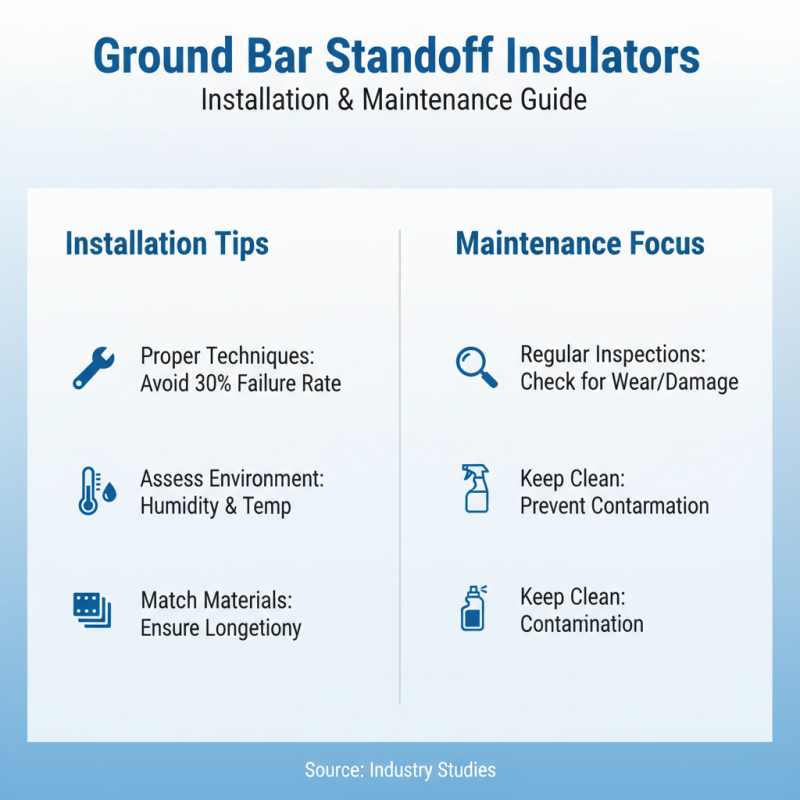
When installing ground bar standoff insulators, proper techniques are critical. According to recent industry studies, nearly 30% of failures relate to inadequate installation. Before starting, assess the type of environment. Factors like humidity and temperature can affect the choice of materials. Insulators must withstand these conditions to ensure long-term performance.
Regular maintenance is vital for keeping ground bar standoff insulators in working order. Inspections every six months can prevent significant issues. Check for signs of wear or corrosion, which may compromise the insulator’s integrity. Also, ensure that all connections are tight. Loose connections can lead to arcing and potential failures.
Lastly, while many focus on initial installation, long-term performance requires attention as well. Regular cleaning of dust and debris ensures maximum insulation effectiveness. Consider using infrared thermography to identify hot spots, as these can signal hidden problems. Maintaining awareness of environmental changes is essential. Conditions can shift, requiring adjustments or replacements over time.