Low Voltage Insulator Buying Tips for Global Buyers
When considering the purchase of Low Voltage Insulators, global buyers face numerous challenges. The right insulator ensures safety and reliability in electrical systems. It is crucial to understand what to look for before making a decision. Buyers need to evaluate various factors, including material quality, design standards, and manufacturer experience.
Low Voltage Insulators vary widely in performance and cost. Some may be cheaper but fail under high stress. A thorough market analysis helps identify reputable suppliers. Check their credentials and past performance. Don't rely on flashy marketing; focus on their practical knowledge and customer feedback.
Many buyers underestimate the importance of compatibility. Insulators must fit within specific system requirements. Consider the environmental conditions where they will be used. Reflect on your project needs and select carefully. A hasty decision can lead to increased costs and safety risks. Being informed is your best tool in the purchasing process.
Understanding Low Voltage Insulators: Types and Applications
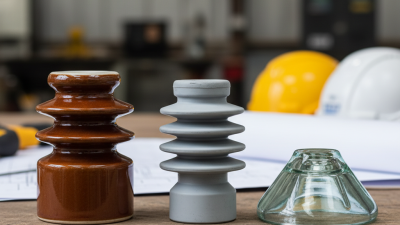
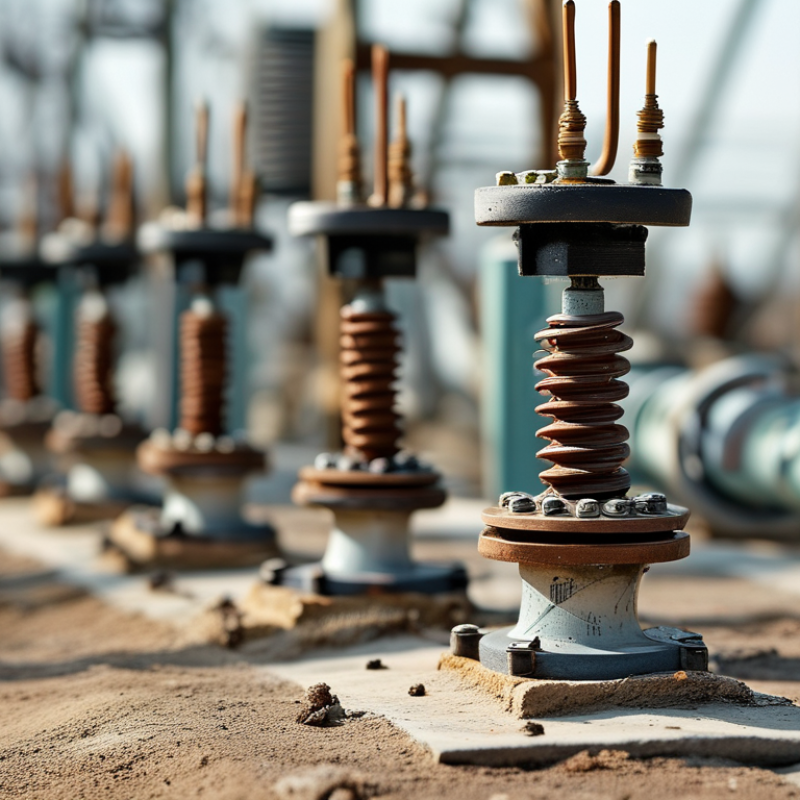
Low voltage insulators play a crucial role in electrical systems. They are designed to ensure safety and reliability. There are various types of insulators, including porcelain, glass, and polymer. Each has unique characteristics that suit different applications. For instance, porcelain insulators provide excellent durability in harsh environments. Glass insulators offer high resistance to weather, while polymer insulators are lightweight and flexible.
When buying low voltage insulators, consider the specific application. Different environments require different materials. Ensure the insulator you choose can withstand environmental factors like moisture and pollution. Examine voltage ratings carefully to avoid selecting an insulator that is under-rated.
A good tip is to consult with professionals in the field. Their experience can help narrow down options. It's important to ask about installation requirements and maintenance needs. Not all insulators are easy to install or maintain. Gathering comprehensive information beforehand can lead to better purchasing decisions. Focus on durability and reliability. Always prioritize safety features over aesthetic aspects.
Low Voltage Insulator Buying Tips for Global Buyers - Understanding Low Voltage Insulators: Types and Applications
| Type of Insulator |
Material |
Voltage Rating (kV) |
Application |
Price Range (USD) |
| Porcelain Insulator |
Porcelain |
12 |
Distribution Lines |
$10 - $25 |
| Polymer Insulator |
Polymeric Materials |
15 |
Overhead Lines |
$20 - $40 |
| Glass Insulator |
Glass |
10 |
Transmission Lines |
$15 - $30 |
| Composite Insulator |
Fiberglass |
20 |
Power substations |
$30 - $60 |
| Suspension Insulator |
Porcelain/Composite |
25 |
High Voltage Lines |
$50 - $100 |
Key Factors to Consider When Buying Low Voltage Insulators
When buying low voltage insulators, several key factors come into play. Start by evaluating the material of the insulator. Common materials include porcelain, glass, and polymers. Each offers unique benefits and drawbacks. Porcelain is known for its durability. However, it can be heavy and brittle. On the other hand, polymer insulators are lighter but may not withstand extreme temperatures as well.
Another important consideration is the environmental conditions where the insulators will be used. Insulators in coastal areas face corrosive environments. This exposure can significantly affect their performance. It might be wise to choose materials designed for harsh conditions. Also, consider the insulator's electrical specifications. Ensure it meets the voltage and frequency requirements of your specific application.
Don’t overlook the importance of certification and testing. Independent tests verify an insulator’s reliability. Look for products that comply with international standards. This provides assurance of their quality and performance. While many options exist, take your time to review features and performance data. Investing time now can prevent failures later. It's essential to make informed decisions to ensure the safety and efficiency of your electrical systems.
Evaluating the Quality and Standards of Low Voltage Insulators
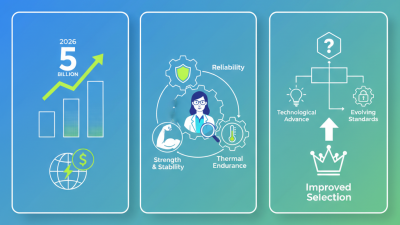
When evaluating low voltage insulators, understanding their quality and standards is essential. Insulators are critical in maintaining electrical safety and efficiency. According to a recent report by Global Market Insights, the low voltage insulator market is projected to see a CAGR of 5% through 2026. This growth underscores the rising demand for quality insulators that meet international standards.
Quality assessment begins with the materials used. Insulators must withstand environmental factors, such as temperature and humidity. A study published in the International Journal of Electrical Engineering highlights that silicone rubber insulators offer superior performance in harsh conditions. However, many buyers overlook the importance of testing protocols. Ensuring compliance with standards like IEC 60587 can reduce the risk of insulator failure.
Buyers should also consider the manufacturing process. Not all manufacturers adhere to strict quality control measures. Data from the Energy and Utility Industry Association indicates that nearly 30% of low voltage insulators fail prematurely due to poor manufacturing practices. This emphasizes the need for buyers to prioritize suppliers with proven track records and relevant certifications. Examining past performance and customer feedback can uncover potential issues that require reflection.
Cost Considerations and Budgeting for Low Voltage Insulators
When considering low voltage insulators, understanding cost is vital. These insulators vary widely in price depending on materials, design, and application. Budget planning should incorporate both the initial purchase and long-term operational costs. Quality insulators may cost more upfront but lead to savings in maintenance over time.
Another factor to assess is the supplier's reputation. Researching different suppliers can reveal hidden costs related to shipping and import duties. Sometimes, cheaper options may come with hidden costs tied to durability and performance. Make sure to request samples before finalizing any bulk orders. This approach ensures you make informed decisions.
Furthermore, reflect on your project's specific needs versus the general market offerings. Consider whether you need insulators for specific environments that could affect longevity. Finding the right fit might take time, but it is essential for performance and safety. Balancing cost and quality will lead to smarter investments in the long run.
Low Voltage Insulator Cost Analysis
Sourcing Low Voltage Insulators: Tips for Global Buyers
When sourcing low voltage insulators, global buyers must consider various factors. Quality is paramount. It's essential to choose materials that withstand environmental stress. Look for insulators that perform well under varying temperatures and humidity levels. Testing standards vary by region. Ensure that the products comply with relevant local guidelines.
Another important aspect is the supplier's reliability. A supplier’s experience in the industry speaks volumes. Requesting references can provide insights into their operational integrity. It’s beneficial to check previous customer reviews. With a plethora of suppliers, identifying the right one can be challenging.
Cost-effectiveness is crucial, but it should not compromise quality. Some suppliers may offer lower prices but deliver inferior products. Be wary of unusually low-cost options. They may require expensive replacements in the long run. Always weigh the overall value of the investment, not just the upfront cost.