What is Medium Voltage Post Insulator and its Applications?
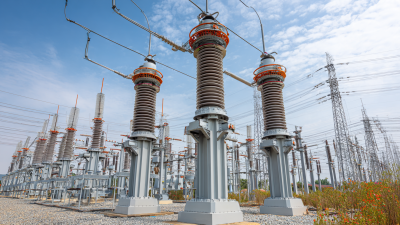
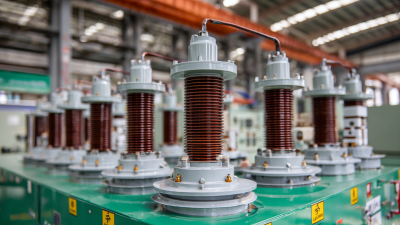
In the realm of electrical engineering, understanding the specific components is crucial. One such component is the Medium Voltage Post Insulator. It plays a vital role in various applications, ensuring the safe transmission of electricity. Its primary function involves supporting electrical conductors and protecting them from environmental factors.
Producing reliable insulating materials is critical. Medium Voltage Post Insulators are designed to withstand high voltage levels while ensuring stability. They are essential in substations and overhead power lines. These insulators enhance the performance of electrical systems and minimize risks of failures.
While their importance is clear, challenges exist. The choice of materials and design can impact their longevity. Frequent inspections are necessary to ensure reliability. Maintaining these insulators requires expertise and diligence. Addressing these aspects can lead to better performance and safety in power distribution networks.
Definition and Characteristics of Medium Voltage Post Insulators
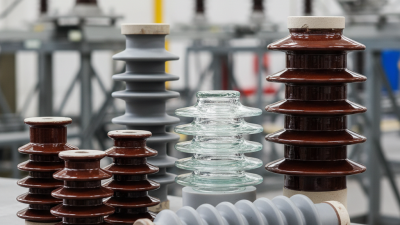
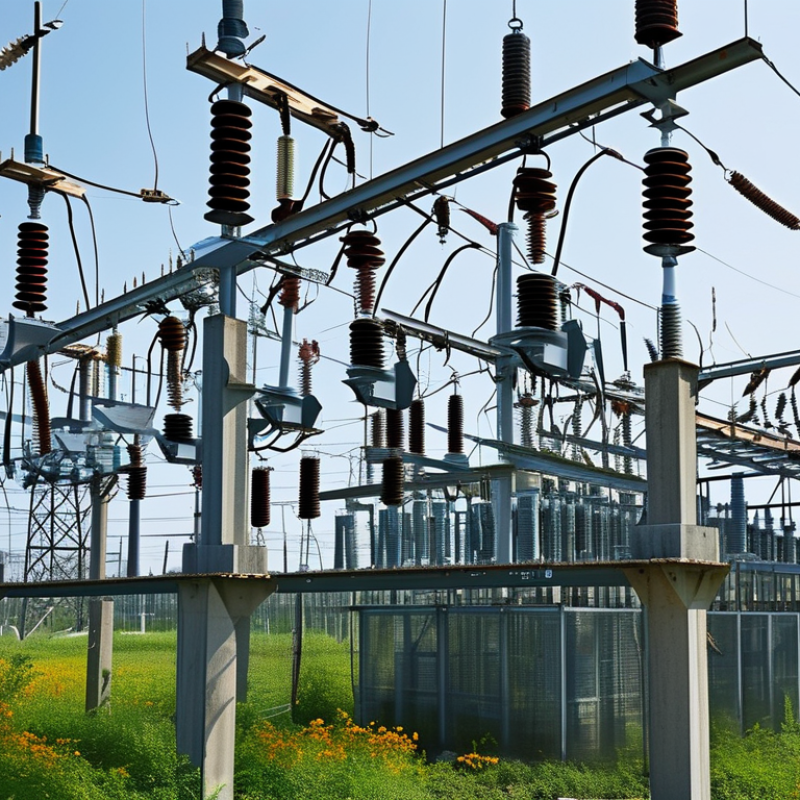
Medium Voltage Post Insulators play a crucial role in power distribution systems. These insulators are designed to handle voltages between 1 kV and 36 kV. They support conductors while ensuring electrical safety. Made from materials like porcelain and polymer, they offer excellent dielectric properties. Their design minimizes contamination and maintains performance in various weather conditions.
Tips: Regular inspections are vital. Look for signs of wear or damage. Proper maintenance improves longevity.
The characteristics of these insulators include high mechanical strength and resistance to UV light. They are lightweight, making installation easier compared to traditional insulators. However, not all insulators are created equal. Some may be more prone to environmental stress than others. This variability can affect performance significantly.
Tips: Always check product specifications. Choose insulators that meet your specific environmental needs. Consider the potential for environmental challenges where they will be used.
Types of Medium Voltage Post Insulators and Their Feasibility
Medium voltage post insulators play a crucial role in electrical infrastructure. They support overhead conductors while ensuring the safety and efficiency of power distribution. Their performance can significantly influence network reliability, making them a focal point for utilities.
When examining the types of medium voltage post insulators, ceramic and polymer insulators are prevalent. Ceramic insulators hold a long-standing position due to their mechanical strength and resistance to environmental factors. Studies reveal that ceramic insulators can endure high voltage conditions, withstanding temperatures up to 1000°C. However, their weight can lead to installation challenges.
Polymer insulators, on the other hand, have gained popularity due to their lightweight and cost-efficient nature. They are versatile and less prone to shattering. Reports indicate that polymer insulators can reduce maintenance costs by up to 30%. Despite these advantages, the long-term degradation due to UV exposure raises concerns about their reliability. The choice between ceramic and polymer depends on specific application requirements, site conditions, and budget considerations. Each type presents its own set of advantages and drawbacks, emphasizing the need for careful selection in medium voltage systems.
Applications of Medium Voltage Post Insulators in Electrical Systems
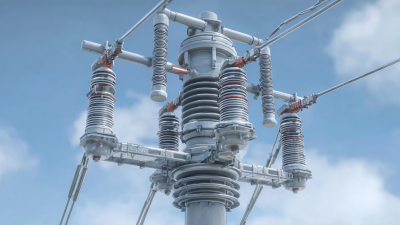
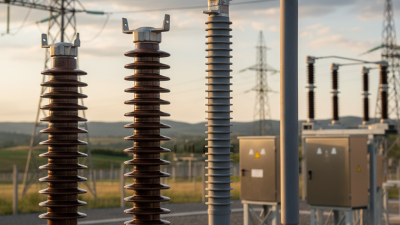
Medium voltage post insulators play a crucial role in electrical systems. These insulators are essential for supporting conductors and ensuring safety. They prevent electrical leakage and reduce the risk of short circuits. Positioned on power poles or substations, they help manage voltages ranging from 1 kV to 36 kV. Their robust design can withstand harsh environments, making them reliable for outdoor use.
In electrical systems, medium voltage post insulators are used in various applications. They are vital for overhead lines and power distribution networks. These insulators facilitate the transmission of electricity without compromising safety. Additionally, they support transformers and switchgear. In some settings, they shield sensitive equipment from electrical surges. This protection is necessary to maintain operational efficiency.
However, there are challenges with medium voltage post insulators. Installation requires expertise to ensure proper alignment. Any errors may lead to system failures or increased maintenance costs. Regular inspections are essential to identify wear and tear. This oversight can prevent unexpected outages and enhance longevity. Overall, while medium voltage post insulators are reliable, constant evaluation is necessary for optimal performance.
What is Medium Voltage Post Insulator and its Applications?
| Application Area |
Description |
Voltage Range |
Material Used |
| Distribution Networks |
Used to support and insulate medium voltage lines in urban and rural environments. |
1kV to 35kV |
Porcelain, Composite |
| Substations |
Insulate bus bars and switchgear in electrical substations. |
3kV to 36kV |
Glass, Silicone Rubber |
| Renewable Energy Systems |
Used in wind farms and solar panel setups for medium voltage applications. |
2kV to 35kV |
Polymer, Composite |
| Transportation Systems |
Applied in tram and metro systems to insulate cables to ensure safe operation. |
1kV to 25kV |
Porcelain, Silicone Rubber |
Installation and Maintenance Practices for Post Insulators
Medium Voltage Post Insulators play a crucial role in electrical distribution systems. They are designed to support and insulate overhead power lines. Proper installation and maintenance of these insulators are vital to ensure safety and reliability.
During installation, it’s important to select appropriate insulators based on voltage levels. According to a report from the International Electrotechnical Commission (IEC), post insulators must withstand high electrical stress and environmental conditions. Workers should follow guidelines to ensure correct positioning and secure fittings.
Tips: Always check for physical damage before installation. Insulators must be clean and free from contaminants.
Maintenance is equally crucial. Regular inspections can prevent failures that lead to power outages. A study by the Electric Power Research Institute (EPRI) emphasizes that periodic visual checks should be conducted to identify any signs of wear, dirt accumulation, or tracking.
Tips: Schedule maintenance during favorable weather conditions. Avoid working in damp or wet areas to ensure safety.
While installing or maintaining, remember the importance of training. Even small oversights can lead to bigger issues later. Continuous education and adhering to standards can significantly improve longevity and performance.
Safety Standards and Regulations for Medium Voltage Insulators
Medium voltage insulators play a crucial role in electrical distribution systems. They provide electrical insulation and mechanical support for conductors used in high-voltage environments. Safety standards for these insulators are vital. They ensure reliability and protect against potential hazards.
In many countries, regulations dictate the materials and design of medium voltage insulators. These standards are guided by organizations that specialize in electrical components. Regular testing is required to ensure compliance. Such tests evaluate the insulators' performance under various conditions. This adherence to safety creates a safeguard for both workers and the public.
Despite these regulations, there are challenges. Some newer materials may not meet established standards. This raises questions about their long-term effectiveness. Regular evaluations and updates of safety guidelines are necessary. An ongoing review process can identify potential areas for improvement. Staying vigilant helps maintain high safety levels in electrical infrastructure.