Top 10 BMC Insulator Suppliers for Global Buyers?
Choosing a Bmc Insulator supplier involves more than comparing prices or browsing polished product catalogs. Global buyers need stable electrical performance, reliable deliveries, and clear technical evidence. This guide examines ten suppliers serving international markets, including manufacturers, specialized exporters, and established electrical-component producers.
The evaluation considers resin consistency, mechanical strength, tracking resistance, dimensional accuracy, and resistance to moisture, heat, and ultraviolet exposure. It also reviews testing practices, certification documents, mold capability, minimum order quantities, packaging, and after-sales communication. Small details matter. A cracked crate can delay a project. An incomplete test report can create larger problems during approval.
Dr. Anil Kumar, an electrical-insulation consultant, offers a practical reminder: “Supplier quality is not a brochure claim; it is proven through materials, testing, and field performance.” That principle guides this comparison. However, the ranking is not absolute. A supplier with strong export experience may not offer the best customization. Another may provide excellent laboratory results but struggle with delivery consistency. This is where buyers must think carefully.
The selected companies are compared through a buyer-focused lens. Their strengths, limitations, product ranges, and service capabilities are considered together. Recent market conditions also deserve attention, especially changing raw-material costs and longer logistics routes. Some information may require direct confirmation from each supplier. That is not a weakness of the review; it reflects a real purchasing challenge. Technical performance must always match the application, installation environment, and required operating life.
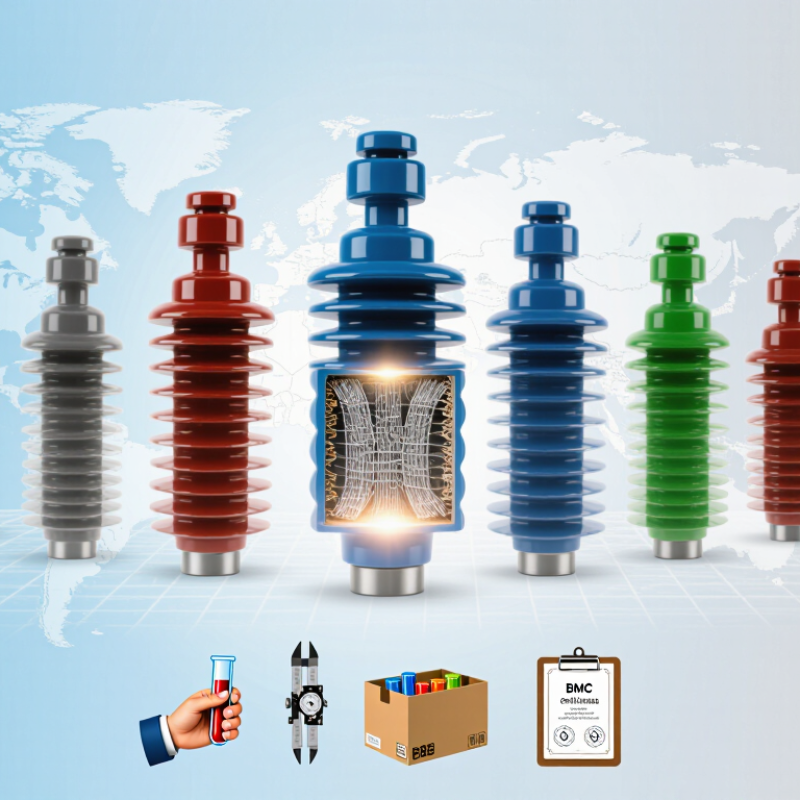
What Is a BMC Insulator and Where Is It Used?
A BMC insulator is an electrical insulating component molded from bulk molding compound. This material combines thermosetting resin, mineral filler, and reinforcing fibers. Under heat and pressure, it forms a rigid, dimensionally stable part.
BMC insulators are used in switchgear, distribution boards, busbar supports, transformers, and industrial control cabinets. They separate energized conductors from metal frames and help maintain safe electrical clearances. The molded surface resists moisture, tracking, and many common chemicals. It also performs reliably under vibration and moderate heat. It is compact. Small details matter.
In practical purchasing, engineers should check voltage rating, insulation resistance, flame performance, temperature range, and mechanical strength. Hole position and mounting accuracy deserve equal attention. A poorly aligned insulator can create stress during installation. Experienced buyers also request dimensional drawings, test reports, and production samples before approving large quantities. Supplier claims still need verification. That part is sometimes overlooked.
BMC performs well, but it is not suitable for every environment. Continuous exposure to extreme heat, harsh solvents, or ultraviolet radiation may reduce service life. Real operating conditions should guide material selection. A qualified supplier should explain resin composition, testing methods, tolerances, and traceability without vague promises. For global buyers, packaging quality and consistent batch control also matter, especially when components travel long distances.
How to Evaluate Global BMC Insulator Suppliers
Evaluating global BMC insulator suppliers requires more than comparing unit prices. Begin with the application. Confirm voltage class, creepage distance, mechanical load, temperature range, and exposure conditions. Ask for current datasheets and independent test reports covering dielectric strength, tracking, flammability, and aging. Reports should identify the tested material, standard, laboratory, and production batch. Generic certificates are weak evidence.
Request samples from normal production, not specially polished trial pieces. Measure dimensions, surface finish, thread accuracy, and resin consistency before electrical testing. During a factory review, inspect mixing controls, molding pressure, curing records, and final inspection routines. Batch traceability matters when a field failure appears months later. Ask how rejected parts are isolated and documented. That detail can expose process discipline.
Global reliability also depends on communication and shipment control. Evaluate response speed, engineering support, packaging design, and handling of technical changes. Salt fog, humidity, ultraviolet exposure, and temperature cycling may require extra validation. Do not accept claims without test conditions. Clarify lead times, minimum order quantities, inspection rights, and replacement procedures in writing. A low quote can hide expensive delays. Some evaluations remain imperfect. Supplier websites may look convincing, while production evidence remains limited. Keep a scoring record and revisit assumptions after pilot shipments.
Top 10 BMC Insulator Suppliers by Products and Capabilities
Top 10 BMC Insulator Suppliers by Products and Capabilities
The top ten BMC insulator suppliers are best compared by product range, molding control, and testing depth. Their portfolios may include terminal blocks, standoff insulators, bushings, fuse supports, and custom electrical components. Strong suppliers offer both standard designs and engineered parts for switchgear, transformers, motors, and renewable-energy systems. BMC materials provide useful heat resistance, mechanical strength, and dimensional stability. However, performance depends on resin quality, glass-fiber distribution, and curing accuracy.
Experienced manufacturers usually support compression molding, insert molding, and automated trimming. They should provide drawings, tolerance data, material certificates, and inspection records. Look for suppliers with thermal cycling, dielectric withstand, flame-retardance, and aging tests. Factory capability matters. A clean molding area and stable tooling process can reduce flash around metal inserts. Traceability should follow each batch from compound storage to final inspection.
No ranking is perfect. A supplier with advanced equipment may still struggle with small production runs. Another may offer excellent prototypes but lack global logistics experience. Buyers should examine sample consistency, delivery history, packaging quality, and technical response time. Clear communication often reveals practical expertise. Ask how suppliers manage cracked inserts, warped parts, or late mold changes. These details are easy to overlook. A reliable partner does not only quote a low price; it explains risks before mass production and supports corrective action when field conditions differ.
Top 10 BMC Insulator Suppliers for Global Buyers: Product and Capability Benchmark
The chart compares key technical dimensions commonly used when evaluating global BMC insulator suppliers. Values are normalized benchmarks based on typical published BMC material and molded-insulator specifications; 100 represents the upper end of a commonly reported industry range.
Higher scores indicate stronger or more demanding capability coverage. Actual performance depends on material formulation, molding process, tooling, certification, and application requirements.
How the Leading Suppliers Compare in Quality, Compliance, and Delivery
Top 10 BMC Insulator Suppliers for Global Buyers
When global buyers compare the top ten BMC insulator suppliers, quality should begin with evidence, not polished catalogs. BMC compounds must show stable dielectric strength, heat resistance, dimensional accuracy, and clean molding. Request recent test reports, batch records, and samples from normal production. A sample can look excellent. Production consistency matters more.
Compliance separates experienced suppliers from convenient traders. Check whether testing follows relevant IEC requirements and whether the factory maintains a documented quality system. Traceable resin lots, controlled curing temperatures, and calibrated measuring tools reveal process discipline. Ask how defects are recorded and corrected. Vague answers deserve a lower score. Certificates alone are not enough.
Delivery performance depends on planning beyond quoted lead time. Compare mold capacity, safety stock, export packaging, and communication during engineering changes. Insulators should arrive sealed, dry, and protected from edge damage. Confirm inspection before shipment and agree on acceptance criteria in writing. A supplier promising every deadline may be less reliable than one giving a realistic schedule. This is where many rankings become imperfect; freight delays and changing forecasts can distort the result. Buyers should review performance quarterly, not trust one successful shipment.
Key Questions for Choosing the Right BMC Insulator Supplier
Choosing among the top 10 BMC insulator suppliers requires more than comparing catalog prices. Ask where the material is produced, how batches are traced, and which tests are performed before shipment. Does the supplier provide insulation resistance, dielectric strength, heat-aging, and dimensional inspection records? Reliable answers should include test methods, equipment details, and sample reports. Vague promises are warning signs. Very low prices can hide inconsistent molding quality.
Tips: Request production samples before approving a large order. Check the surface for cracks, flash, bubbles, and uneven edges. Confirm voltage ratings under your actual temperature and humidity conditions. Ask how rejected parts are isolated. A supplier that explains failures openly may be more dependable than one claiming perfection.
Also ask about tooling ownership, mold maintenance, lead times, packaging, and technical support after delivery. Can engineers review drawings and suggest safer tolerances? Are changes documented and approved before mass production? Verify whether the supplier has experience with your installation environment, such as substations, switchgear, or outdoor equipment.
A factory visit, video inspection, or independent quality audit can reveal workflow gaps. Do not rely only on polished certificates. Some documents may be valid but outdated. I have seen buyers overlook communication delays because the first sample looked acceptable. That mistake becomes expensive when urgent replacements are needed. Clear records, responsive engineers, and repeatable test results usually matter more than a persuasive sales presentation.