Top 10 Best Composite Type Insulators for Electrical Applications?
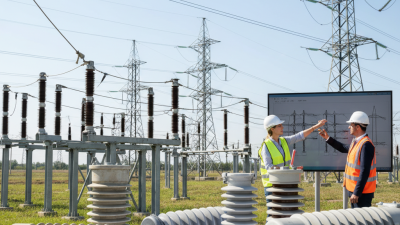
In the electrical engineering sector, composite type insulators have gained significant attention. These insulators are critical for ensuring reliable performance in electrical applications. A report by Research and Markets revealed that the global insulator market is expected to reach $12 billion by 2025, highlighting the growing demand. Composite type insulators are lauded for their lightweight properties and impressive mechanical strength.
Their ability to withstand harsh environmental conditions makes them a popular choice in various applications. However, it is essential to consider that not all composite type insulators perform equally. Some products may fail under extreme conditions. Proper selection is important to avoid potential failures, which can lead to costly outages.
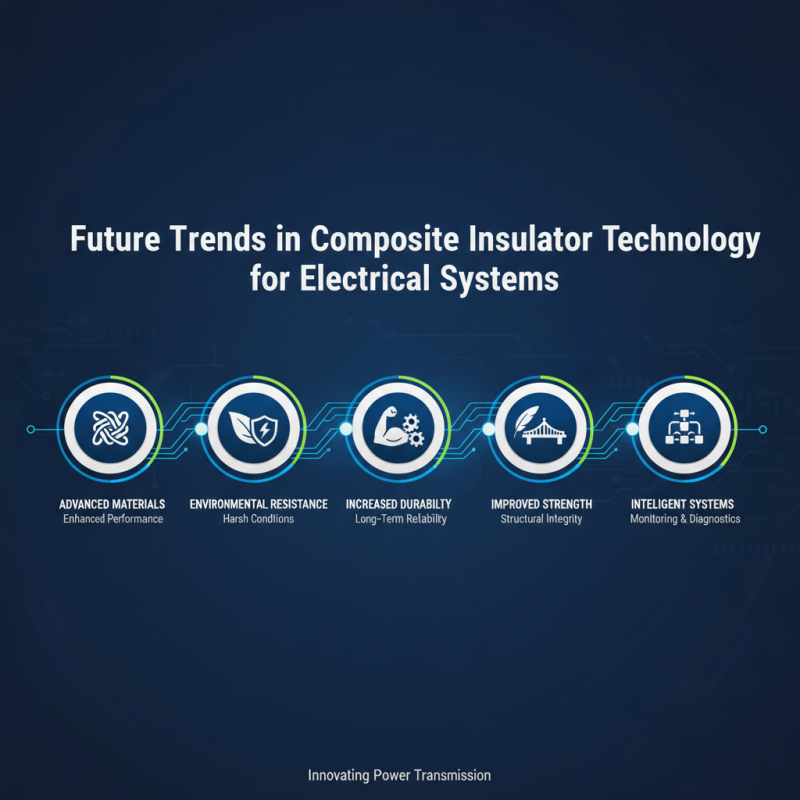
The industry is continuously evolving, with new materials and techniques enhancing the durability and efficiency of these insulators. As demand increases, understanding the key features and performance capabilities of the top options on the market becomes crucial for professionals. Investing in comprehensive research can provide better insights into the most reliable composite type insulator solutions available today.
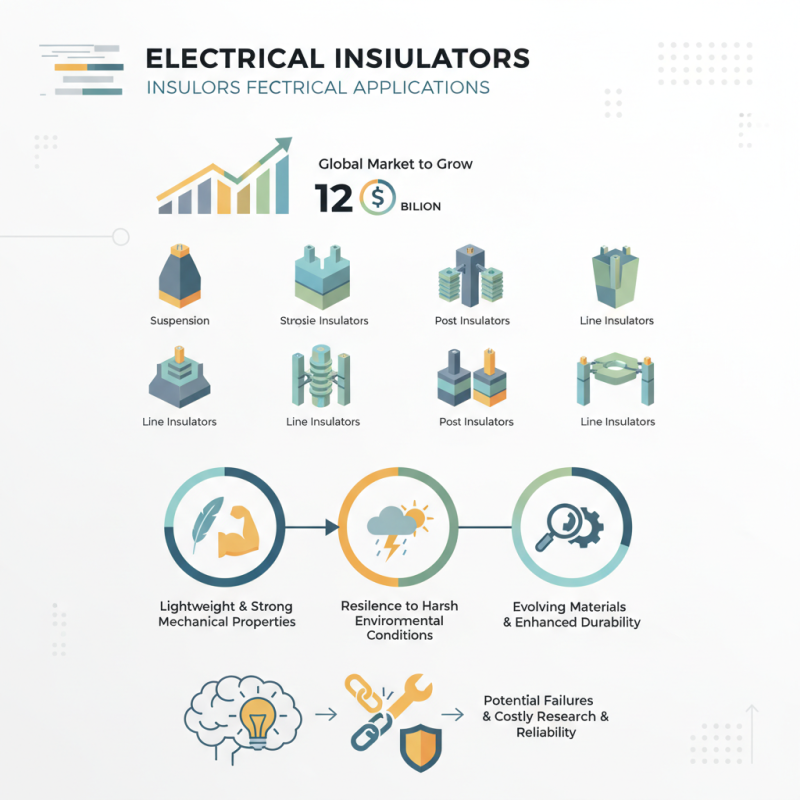
Overview of Composite Type Insulators in Electrical Applications
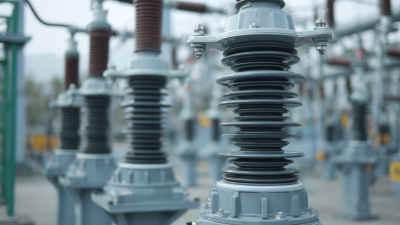
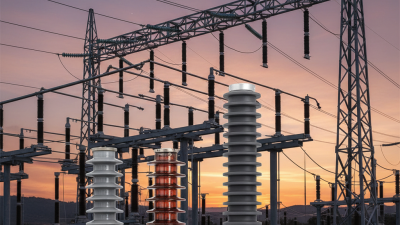
Composite type insulators play a crucial role in electrical applications. Their design combines materials like polymer and fiberglass, providing strength and flexibility. This unique composition allows them to withstand harsh environmental conditions. These insulators are lightweight, which makes installation easier compared to traditional ceramic options.
In electrical systems, composite insulators excel in performance. They resist moisture absorption and UV degradation effectively. This keeps them operational for longer periods. However, their performance can vary based on manufacturing processes. It's essential to consider factors like aging and contamination. Regular maintenance checks help assess their condition, which can influence overall safety in electrical networks.
Selecting the right insulator is not straightforward. Some might overlook the importance of environmental factors in longevity. Additionally, improper installation can lead to failure. It is a reminder that even advanced materials need careful handling. Understanding both the benefits and limitations is vital for optimizing their use in electrical applications.
Top 10 Composite Insulators: Features and Benefits
Composite insulators are gaining popularity in electrical applications due to their numerous benefits. These insulators are typically made from a combination of materials like fiberglass and silicone rubber. This composition provides excellent mechanical strength and electrical performance. They are lightweight, making them easier to handle and install compared to traditional insulators. Their ability to withstand harsh environmental conditions further enhances their adaptability.
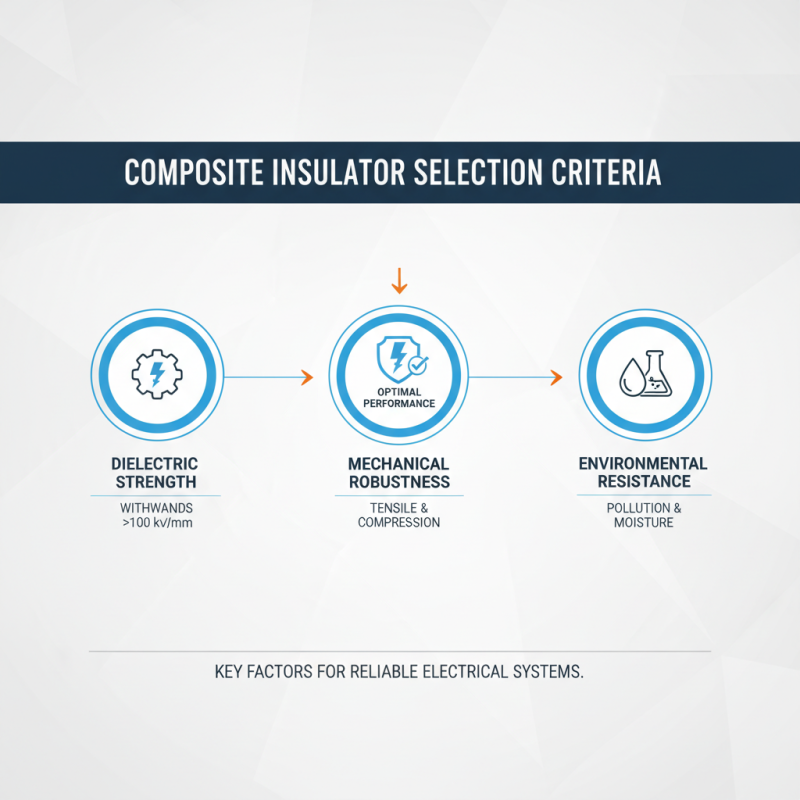
One notable feature of composite insulators is their resistance to moisture and pollution. This makes them suitable for areas with high levels of contaminants. They also exhibit high resistance to UV radiation, which prolongs their lifespan. However, it is important to note that improper installation can affect their functionality. A thorough understanding of installation guidelines is crucial.
The balance between flexibility and rigidity in their design warrants careful consideration during selection. This highlights the importance of expertise when choosing the right insulator for specific applications.
Comparison of Performance: Composite vs. Traditional Insulators
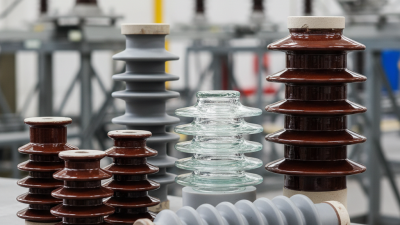
Composite insulators have gained traction in electrical applications, owing to their enhanced performance metrics. Compared to traditional porcelain or glass insulators, composites minimize weight and improve resilience. Industry reports highlight that composite insulators can reduce installation costs by up to 40%. This is a significant saving for large-scale projects.
Performance-wise, research indicates that composite insulators demonstrate superior hydrophobicity. This means they resist water absorption better than their traditional counterparts. A study published by the International Electrical Engineering Journal noted that composite insulators maintain insulation strength in environments with high pollution levels. They can endure severe weather without degrading, which is a concern for traditional insulators.
However, there are challenges. Composite materials may have a shorter lifespan under extreme UV exposure, which can lead to premature aging. Monitoring the condition of these insulators is critical. While composite insulators offer numerous advantages, careful consideration and assessment of their use in specific environments are vital to ensure reliability and safety.
Top 10 Best Composite Type Insulators for Electrical Applications
| Insulator Type |
Voltage Rating (kV) |
Weight (kg) |
Service Life (Years) |
Flashover Voltage (kV) |
Environmental Resistance |
| Composite Insulator A |
36 |
12 |
40 |
70 |
Excellent |
| Composite Insulator B |
45 |
14 |
35 |
80 |
Good |
| Composite Insulator C |
33 |
11 |
45 |
75 |
Excellent |
| Composite Insulator D |
60 |
15 |
50 |
90 |
Very Good |
| Composite Insulator E |
52 |
13 |
55 |
85 |
Good |
| Composite Insulator F |
40 |
10 |
30 |
60 |
Fair |
| Composite Insulator G |
38 |
12.5 |
42 |
77 |
Good |
| Composite Insulator H |
55 |
16 |
60 |
92 |
Excellent |
| Composite Insulator I |
50 |
14.5 |
65 |
88 |
Very Good |
| Composite Insulator J |
48 |
13 |
48 |
78 |
Fair |