Top 10 Composite Type Insulators You Should Consider?
The importance of Composite Type Insulators in electrical systems cannot be overstated. As Jim McCarthy, a renowned expert in the field, once said, “Composite insulators are crucial for modern energy transmission.” These insulators offer advantages that traditional materials often lack, such as enhanced durability and resistance to environmental stressors.
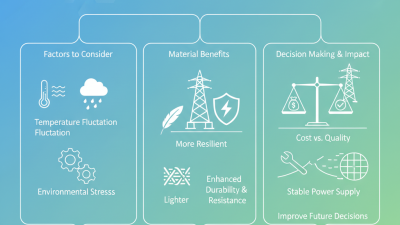
When considering the best products, the landscape is diverse. Many manufacturers provide various designs and specifications. Factors like temperature, humidity, and pollution levels should shape your choice. Each option presents unique benefits, but careful consideration is essential.
Despite their advantages, Composite Type Insulators may face challenges. Some products can wear over time, impacting performance. Users should regularly assess their conditions. Reflecting on potential pitfalls ensures long-term reliability and safety in electrical systems. Familiarity with the top choices can empower informed decisions.
Overview of Composite Type Insulators and Their Importance
Composite type insulators play a crucial role in the electric utility sector. These insulators are made from a combination of materials, which provide enhanced mechanical strength and electrical insulation. According to a report by the International Council on Large Electric Systems (CIGRÉ), composite insulators can reduce the risk of failure and are preferred in areas with severe environmental conditions.
One significant advantage of composite insulators is their lightweight design. This property aids in easier installation and reduces the overall structural load. They also exhibit excellent resistance to pollution and moisture, which is essential in maintaining operational reliability. The Global Insulator Market report notes that the demand for composite insulators is expected to grow by 5% annually, driven by increasing renewable energy projects.
Tips: Always consider the environmental conditions when selecting insulators. Research local performance records to avoid costly failures. Regular maintenance checks help maximize lifespan and efficiency.
Despite their benefits, composite insulators are not impervious to damage. Factors like UV exposure and mechanical stress can lead to degradation. Users must understand their limitations and review performance data regularly. This proactive approach helps mitigate potential risks associated with premature failure.
Key Materials Used in Composite Insulators and Their Benefits
Composite insulators are gaining popularity due to their superior performance in various applications. These insulators typically combine materials like polymer and glass fiber. The main benefit of using polymer is its lightweight nature. This makes installation easier, reducing labor costs and time on site. Furthermore, polymers offer high resistance to environmental stress and UV degradation.
Glass fiber, often integrated into composite insulators, enhances their mechanical strength. This material can withstand extreme weather conditions. Its durability is crucial for maintaining reliability in utility applications. However, while glass fiber boosts strength, it can also add weight, which requires careful consideration during design.
Another key material is silicone, known for excellent hydrophobic properties. This allows the insulator to shed water efficiently, preventing tracking and flashover incidents. However, silicone can be sensitive to extreme temperatures over time. Understanding how each material interacts in different environments is critical for optimal performance. Knowing their limitations helps industry professionals make informed choices for specific applications.
Top 10 Composite Type Insulators You Should Consider
| Insulator Type |
Key Material |
Benefits |
Temperature Range (°C) |
Application |
| Silicone Insulator |
Silicone Rubber |
High hydrophobicity, UV resistance |
-40 to 90 |
Overhead Transmission Lines |
| Polymer Insulator |
Composite Polymer |
Lightweight, easy installation |
-50 to 120 |
Substations |
| Glass Insulator |
Glass Fiber Reinforced Polymer |
High strength, excellent electrical properties |
-60 to 200 |
Wind Farms |
| EPM Insulator |
Ethylene Propylene Diene Monomer |
Excellent weathering resistance |
-40 to 110 |
Railway Electrification |
| Cross-Linked Polyethylene Insulator |
XLPE |
Thermal stability, good electrical properties |
-40 to 90 |
Underground Cables |
| SIL Insulator |
Silicone-Impregnated Composite |
Self-cleaning properties, lightweight |
-40 to 100 |
Urban Areas |
| Nanocomposite Insulator |
Nano-enhanced Materials |
Improved mechanical strength and durability |
-50 to 120 |
High Voltage Lines |
| Ceramic Composite Insulator |
Ceramic and Composite Blend |
Enhanced mechanical properties, thermal stability |
-40 to 150 |
Heavy-duty Applications |
| PTFE Insulator |
Polytetrafluoroethylene |
Excellent chemical resistance |
-200 to 260 |
Chemical Industry |
Top 10 Composite Type Insulators: Features and Specifications
Composite type insulators play a vital role in electrical systems. They are made of polymer materials reinforced with fibers. This combination provides high mechanical strength and excellent electrical insulation. According to industry reports, composite insulators show 20-30% lower weight compared to traditional ceramic insulators. This can ease installation and maintenance costs.
In terms of specifications, the material's hydrophobicity is crucial. Composite insulators often have a shed design, reducing contamination risk. Studies indicate that these designs can enhance performance, especially in polluted environments. In some cases, they can withstand severe weather conditions. However, long-term durability can be an area of concern. Regular inspections and maintenance are essential to ensure functionality.
Additionally, the operating temperature range for many composite insulators is impressive. They can function effectively in temperatures as low as -40°C. Yet, extreme conditions may challenge their performance. Understanding these limits is vital for users. Failure to account for environmental factors can lead to premature degradation and failure of the insulator system. This highlights the need for careful selection and regular assessment.
Applications of Composite Insulators in Electrical Systems
Composite insulators play a significant role in modern electrical systems, offering superior performance and reliability. These insulators are fabricated using polymer materials reinforced with glass fibers, providing excellent electrical properties. According to industry reports, composite insulators can reduce the risk of flashover by up to 30% compared to traditional insulators. This makes them particularly suitable for high-voltage applications.
Their lightweight design allows for easier installation and maintenance, reducing labor costs and improving safety. Composite insulators are also resistant to pollution and environmental stress. Testing indicates that they can withstand harsh conditions, such as extreme temperatures and high humidity. However, some concerns arise regarding long-term aging and the material's susceptibility to UV degradation. Engineers must constantly monitor these factors to ensure optimal performance.
Real-world applications include high-voltage transmission lines, substations, and wind energy systems. For instance, their deployment in wind power projects has increased significantly, with estimates indicating a 25% growth in usage over the past decade. Ongoing research aims to improve the lifespan and efficiency of composite insulators, highlighting the need for continuous evaluation of materials and designs in order to mitigate risks associated with unforeseen environmental impacts.
Top 10 Composite Type Insulators You Should Consider
This chart illustrates the different applications of composite insulators in electrical systems and their corresponding effectiveness ratings.
Factors to Consider When Choosing Composite Insulators
When selecting composite type insulators, several critical factors demand your attention. Durability is paramount. Composite insulators withstand harsh environments, yet not all materials perform equally. Data from the International Electrotechnical Commission indicates that the lifespan of these insulators can vary significantly, influenced by material quality and climate conditions.
Moreover, electrical characteristics are essential. Consider the dielectric strength, which affects performance during electrical surges. The IEEE Standards Association provides benchmarks that can help guide your decision-making process. Additionally, installation and maintenance practices can drastically alter the lifespan and efficiency of these insulators.
Tip: Always evaluate the service environment. Urban areas expose insulators to pollution, while coastal regions bring salt exposure.
Material compatibility is another point to reflect on. Ensure that the insulator material works well with the support structures. Some composites can be vulnerable to specific chemical interactions or UV degradation.
Tip: Investigate past projects. Look at case studies where similar insulators have been employed. This may offer insight into potential challenges.