Top 5 Grounding Busbar Insulators You Need to Know?
In today's electrical systems, the importance of reliable grounding solutions cannot be overstated. A key component in ensuring safety and efficiency is the Grounding Busbar Insulator. Recent industry reports estimate that over 70% of electrical failures stem from inadequate grounding. This statistic highlights the critical role of these insulators in maintaining system integrity.
Grounding Busbar Insulators serve to prevent electrical faults and minimize hazards. Their proper selection is vital for performance. Corrosion resistance and temperature ratings are crucial factors. Interestingly, many installations overlook these aspects, leading to potential risks.
As we explore the top five Grounding Busbar Insulators, we will evaluate their features, applications, and the latest innovations in the field. These insights aim to enhance understanding and guide professionals in making informed decisions. Our goal is to provide reliable, data-driven information for those navigating this complex landscape.
Overview of Grounding Busbar Insulators and Their Importance
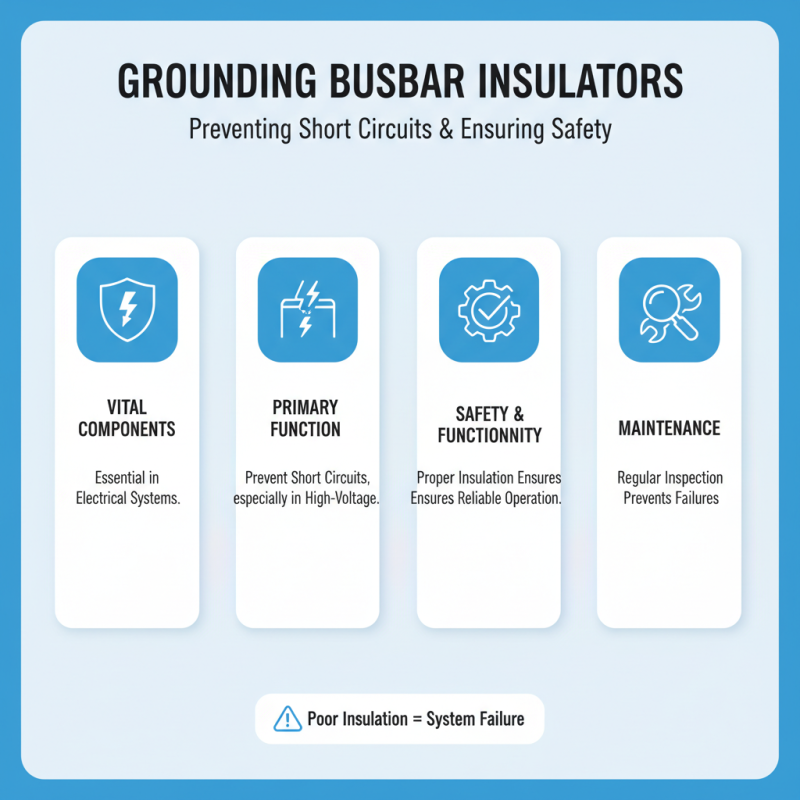
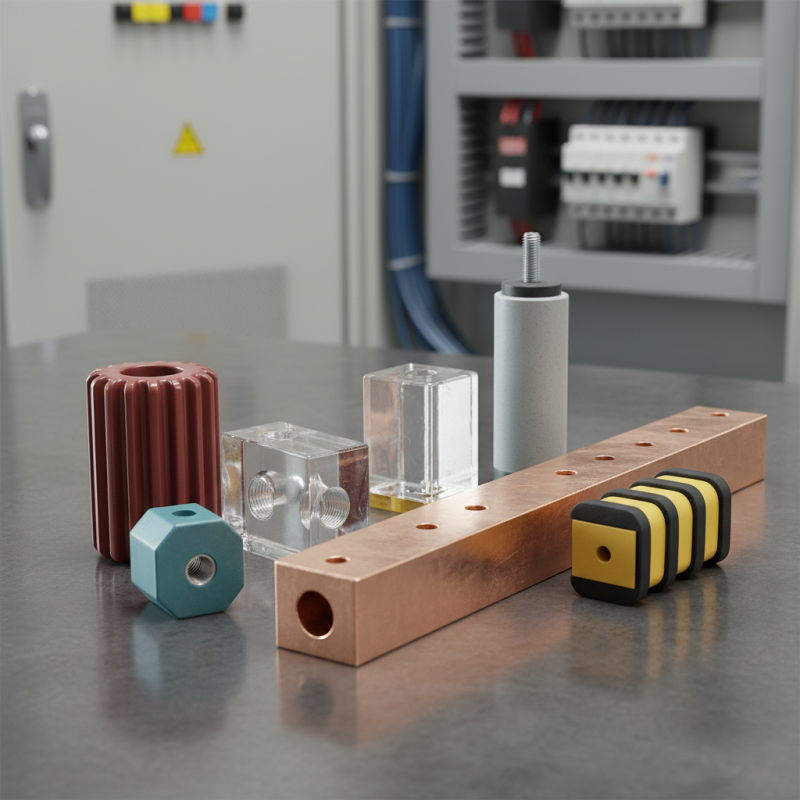
Grounding busbar insulators are vital components in electrical systems. Their primary function is to prevent short circuits. This is especially important in high-voltage environments. Proper insulation ensures safety and functionality. When poorly designed or selected, insulators can lead to failures. Inspecting and maintaining them regularly can’t be overlooked.
Tips: Always check the material quality. Different environments require different insulator types. Review installation procedures for optimal performance.
Selecting the right grounding busbar insulator is essential. Proper voltage rating and ambient temperature considerations are fundamental. Some insulators might seem sufficient but may not perform well under specific conditions. This could result in unexpected outages. Consider factors like moisture exposure and thermal expansion during installation.
Tips: Seek professional advice when unsure of your selection. Avoid taking shortcuts in the installation. Every detail matters in maintaining system reliability.
Key Features to Consider When Choosing Grounding Busbar Insulators
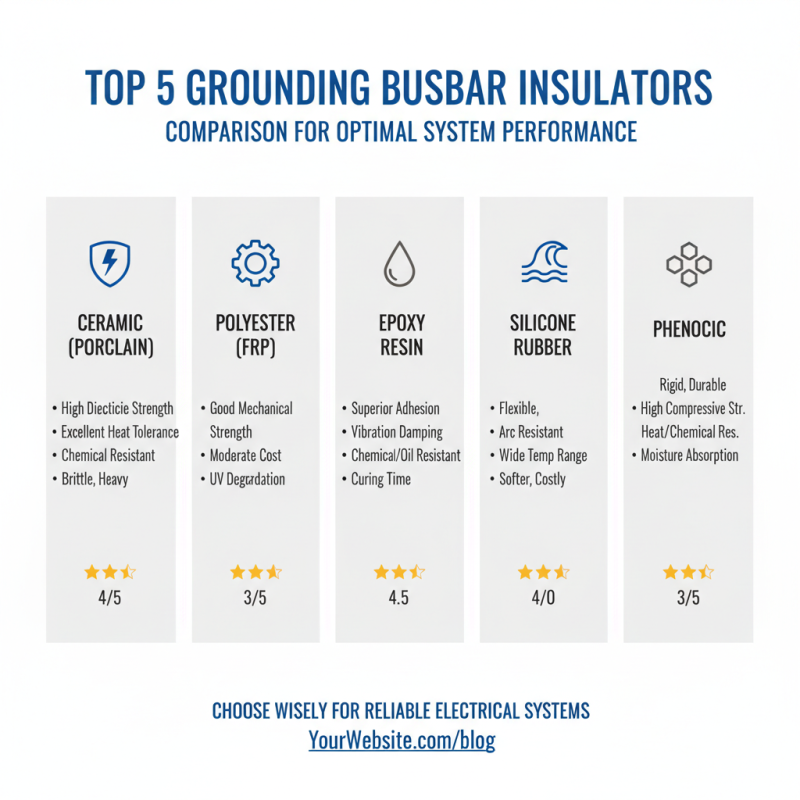
When choosing grounding busbar insulators, certain features are crucial. First, consider the material. High-quality insulators are often made from durable materials such as fiberglass or ceramic. These materials provide excellent electrical resistance and mechanical strength. The choice of material directly impacts the performance and longevity of the insulation.
Another key feature is the voltage rating. Insulators must support the application’s specific voltage levels. Overlooking this can lead to failures or safety hazards. It’s also important to examine the temperature range. Insulators should withstand the environmental conditions without degrading. This ensures reliable operation, especially in extreme weather.
Lastly, installation ease is worth considering. Complex designs can complicate installation, which might lead to mistakes. A straightforward design can save time and costs. Reflecting on these aspects helps in selecting reliable insulators that meet safety standards. Each feature plays a vital role in the overall effectiveness, making thoughtful consideration essential.
Top Materials Used in Grounding Busbar Insulators
Grounding busbar insulators play a crucial role in electrical systems. Their primary function is to ensure safety and reliability by preventing unwanted electrical losses. The materials used in these insulators significantly impact their performance and durability.
Common materials include silicone, glass, and ceramics. Silicone offers excellent weather resistance and flexibility. It can withstand high temperatures and harsh environments. Glass insulators, on the other hand, are known for their impressive electrical properties. They are durable, but they can be heavy and brittle. Ceramic insulators provide a robust solution. They are resistant to moisture and chemicals, but their weight might be a concern for some installations.
When choosing materials for grounding busbar insulators, consider the operating environment. Each material has its strengths and weaknesses. Understanding these nuances is vital. It's essential to evaluate the specific needs of your application. Not all materials will suit every environment. This reflection can lead to better safety and efficiency in electrical systems.
Top 5 Grounding Busbar Insulators You Need to Know
Installation and Maintenance Tips for Grounding Busbar Insulators
Installing grounding busbar insulators is a crucial step in maintaining electrical safety. These insulators protect against short circuits and help manage electrical loads effectively. When considering installation, ensure that the surface is clean and free from moisture. Dirt and grime can affect adhesion and performance.
For optimal performance, inspect insulators regularly. Look for signs of wear or damage. Cracks or discoloration could indicate a need for replacement. Timely maintenance can prevent larger issues. Using infrared thermography can help identify hot spots that might compromise safety.
Tip: Always wear appropriate personal protective equipment during installation. This ensures safety while handling electrical components. Keep a checklist handy during maintenance. This will help track inspections and confirm that all steps are followed. Proper documentation is crucial, even if tasks seem minor.
Top 5 Grounding Busbar Insulators You Need to Know
| Insulator Type |
Material |
Voltage Rating (kV) |
Temperature Range (°C) |
Installation Tips |
| Polymer Insulators |
Polyethylene |
15 |
-40 to 60 |
Ensure clean surface and proper alignment during installation. |
| Porcelain Insulators |
Ceramic |
25 |
-20 to 80 |
Use protective gear and ensure proper handling to prevent breakage. |
| Glass Insulators |
Glass |
30 |
-30 to 90 |
Inspect for cracks before installation; secure tightly. |
| Rubber Insulators |
Rubber |
10 |
-50 to 70 |
Ensure no moisture is trapped during installation. |
| Composite Insulators |
Silicone/Polymer |
20 |
-40 to 75 |
Regularly check for wear and replace as necessary. |