Top 10 Standoff Insulators for Global Suppliers?
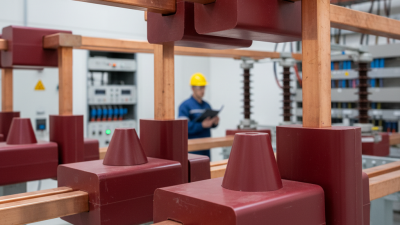
In the realm of electrical infrastructure, Standoff Insulators play a crucial role. These components support overhead power lines, ensuring safety and reliability. Their design allows for a safe distance between live wires and towers, preventing electrical faults. Today, with increasing demand for energy worldwide, choosing the right Standoff Insulator becomes vital for global suppliers.
This list of the top 10 Standoff Insulators highlights leading products from trusted manufacturers. Each insulator brings unique features suited for varied applications. Reliability, durability, and performance are essential benchmarks. The manufacturers featured here have proven expertise in the industry. However, the versatility of Standoff Insulators also raises questions about material selection and environmental impact. Some insulators may not perform well under extreme conditions, prompting a need for careful evaluation.
By reviewing these top products, suppliers can make informed decisions. Understanding the specifications and testing their applicability in real-world scenarios is essential. While this guide aims to spotlight the best, not every option will suit every project. Thoughtful consideration will help ensure optimal choices in the selection of Standoff Insulators.
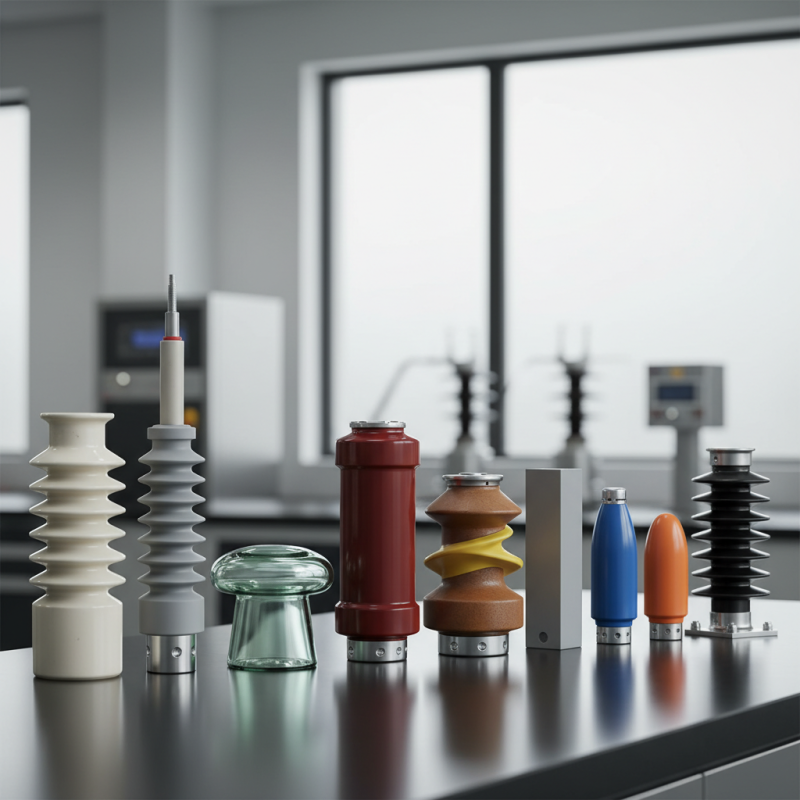
Top Standoff Insulators: An Overview of Global Suppliers
Standoff insulators are crucial in electrical engineering, providing necessary support and insulation. These components ensure safety and efficiency in a variety of applications. Suppliers around the globe focus on unique technologies to manufacture reliable standoff insulators. Their expertise contributes significantly to industry standards and quality assurance.
These insulators come in different shapes and materials to meet specific requirements. The resilience of certain materials like silicone or porcelain plays a vital role. These materials offer superior electrical performance under various conditions. However, some suppliers struggle with consistency in product design and manufacturing processes. Their challenges can lead to varied performance in end-user applications. Quality control remains a critical area for improvement.
Understanding the market landscape is essential for selecting the right supplier. Many companies showcase their innovations through trade shows and online platforms. Buyers should examine technical specifications and certifications closely. It is important to assess the supplier's track record and customer feedback. Sometimes, the information available can be overwhelming or unclear, requiring further investigation. Balancing cost and quality is often a complex decision for procurement teams.
Key Features and Benefits of Standoff Insulators
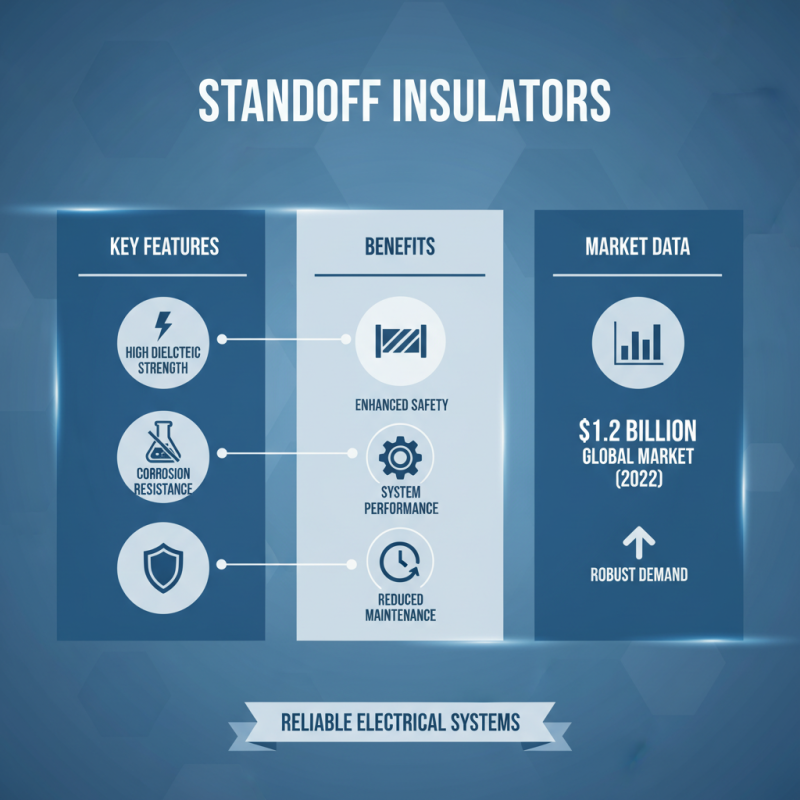
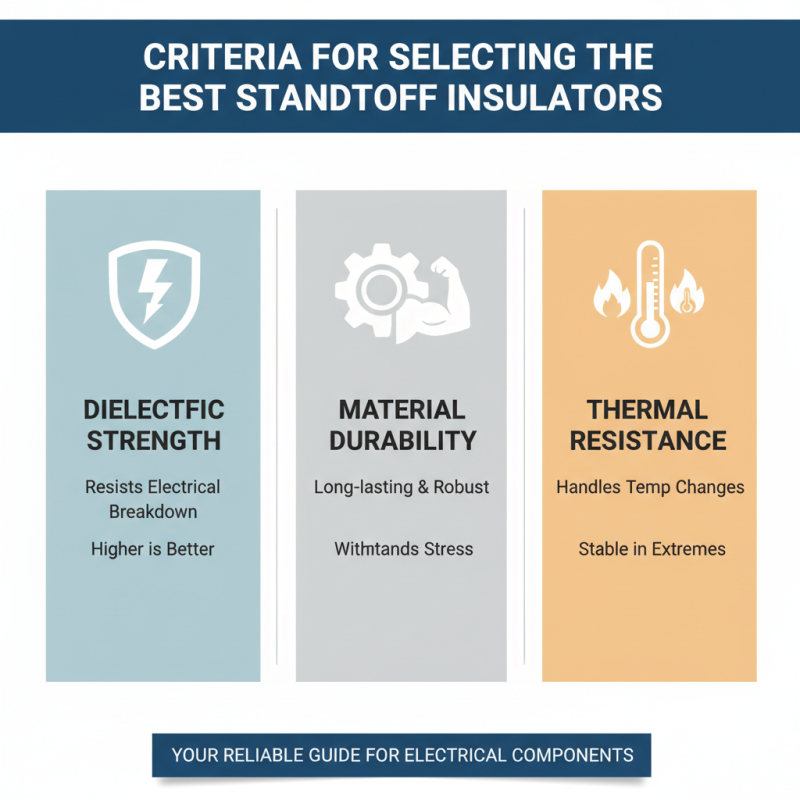
Standoff insulators are crucial for reliable electrical systems. They maintain the distance between high-voltage conductors and supporting structures, ensuring safety. A recent industry report stated that the global standoff insulator market reached $1.2 billion in 2022, suggesting robust demand. Their key features include high dielectric strength, corrosion resistance, and durability, which proves vital in various applications. Proper selection can enhance system performance and lifespan, reducing maintenance costs.
Insulators offer unique benefits. For example, they prevent electrical arcs and enhance safety in power transmission. Additionally, they resist extreme weather conditions. According to industry data, the longevity of ceramic standoff insulators surpasses that of plastic ones, making them a preferred choice in harsh environments. Users often overlook maintenance needs, risking equipment failures. Regular inspections are essential for optimal function.
Tips: Always choose insulators aligned with specific project requirements. Evaluate environmental factors before making decisions. Keep in mind that installation practices can impact performance. Frequent assessments can prevent costly replacements and ensure reliability.
Popular Materials Used in Standoff Insulator Manufacturing
Standoff insulators are essential in electrical engineering. They support conductors and protect against short circuits. Various materials are used to manufacture these insulators, each with unique properties. Understanding these materials is crucial for quality and performance.
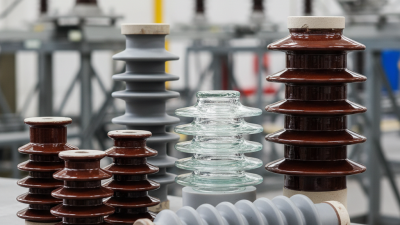
Porcelain is a traditional choice for standoff insulators. It offers excellent dielectric strength and is resistant to environmental factors. However, it can be heavy and brittle, raising concerns in certain applications. Meanwhile, fiberglass provides a lightweight alternative. It is strong and resistant to corrosion. Yet, its dielectric properties may not match those of porcelain.
Polymer materials are becoming increasingly popular. They are durable and can withstand harsh conditions. Their manufacturing processes often allow for lighter designs. However, some polymers may have limited thermal stability. Choosing the right material involves balancing weight, strength, and environmental factors. The complexity of this choice reflects the diversity of applications in electrical systems.
Top 10 Standoff Insulators for Global Suppliers
| Material |
Dielectric Strength (kV/mm) |
Thermal Resistance (°C) |
Density (g/cm³) |
Common Applications |
| Porcelain |
60 |
1200 |
2.4 |
Power Transmission |
| Glass |
50 |
600 |
2.5 |
High Voltage Lines |
| Polycarbonate |
30 |
115 |
1.2 |
Electrical Insulation |
| Polypropylene |
20 |
100 |
0.9 |
Low Voltage Applications |
| Silicone |
25 |
200 |
1.1 |
Outdoor Insulation |
| Epoxy Resin |
40 |
150 |
1.3 |
Circuit Boards |
| Rubber |
25 |
85 |
1.0 |
Protective Covers |
| Ceramics |
55 |
1000 |
2.6 |
Heavy Duty Equipment |
| Teflon |
35 |
260 |
2.2 |
High Frequency Insulation |
| Composite Materials |
25 |
150 |
1.5 |
Aerospace Applications |
Future Trends in Standoff Insulator Technology and Market Demand
The global market for standoff insulators is evolving rapidly. Advances in materials and design are driving innovation.
As environmental concerns rise, demand for sustainable solutions is increasing.
Companies are focusing on developing insulators that minimize environmental impact while maintaining performance.
The need for enhanced durability and resistance to extreme weather is becoming essential. New technologies enable manufacturers
to create insulators that withstand harsher conditions. Rethinking traditional designs could lead to significant improvements in longevity and effectiveness.
Furthermore, trends indicate a shift towards smart insulation technologies. These innovations can monitor conditions in real-time, enhancing reliability.
Market demand is expected to grow as infrastructure projects increase globally. However, challenges remain. Balancing cost and quality is a continual struggle for suppliers.
Improved communication across the industry can help overcome these hurdles. Companies will need to stay ahead of trends to remain competitive.