What is the Role of Switchgear Insulators in Electrical Systems?
Switchgear insulators play a crucial role in electrical systems. They ensure the safe operation of high-voltage equipment. These insulators help prevent electrical surges. They provide necessary support for conductors. The design and materials used are critical for their performance.
In modern electrical systems, switchgear insulators must withstand harsh conditions. This includes extreme temperatures and humidity levels. A reliable insulator prevents failures and extends equipment life. However, not all insulators perform equally. Some may degrade faster due to environmental factors.
Understanding the function of switchgear insulators is vital. It helps engineers make informed decisions. Knowledge of these components can lead to better designs. The focus should be on quality and reliability in selection. There is often a gap in awareness about their significance. This oversight can lead to costly mistakes. Balancing cost with performance is a challenge many face.
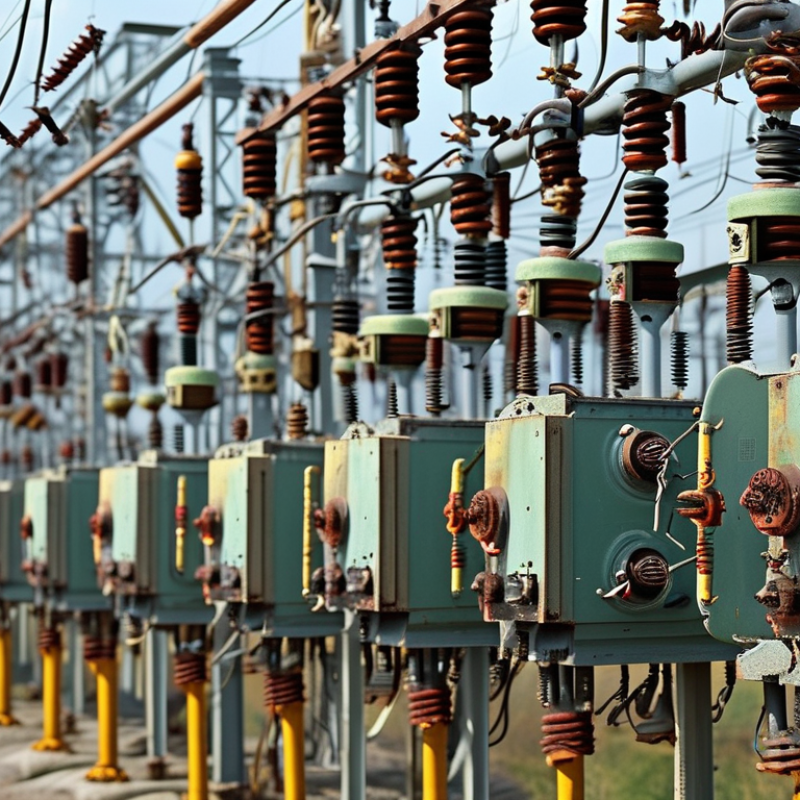
Understanding Switchgear Insulators and Their Functionality
Switchgear insulators play a crucial role in electrical systems. They provide the necessary support and insulation for electrical components. These insulators ensure that high-voltage equipment remains safe and operational. Their primary function is to prevent unwanted electrical contact and reduce energy loss. Advanced materials, such as ceramics or polymers, enhance their performance and durability.
In practice, switchgear insulators must withstand extreme conditions. They are exposed to high voltages and harsh environmental factors. Therefore, regular maintenance is essential to ensure their effectiveness. Over time, factors like pollution and weather can deteriorate their insulating properties. Routine inspections help identify potential issues. Failure to address wear and tear can lead to serious consequences, such as equipment failure or safety hazards.
Understanding the specific types of switchgear insulators is important for engineers. Each type has its application tailored to different environments. For example, outdoor insulators need to resist UV radiation and moisture. In contrast, indoor models focus on compactness and reliability. Mastering these details contributes to safer and more efficient electrical systems. Prioritizing the right insulator can make a significant difference.
What is the Role of Switchgear Insulators in Electrical Systems?
| Insulator Type |
Material |
Voltage Rating |
Function |
Benefits |
| Porcelain Insulator |
Porcelain |
Up to 765 kV |
Supports and insulates electrical equipment |
High mechanical strength, weather resistance |
| Composite Insulator |
Polymer |
Up to 400 kV |
Reduces flashover risks |
Lightweight, easy installation |
| Glass Insulator |
Glass |
Up to 220 kV |
Provides clear visibility of internal faults |
Non-hygroscopic, good electrical properties |
| Silicone Insulator |
Silicone Rubber |
Up to 300 kV |
Effective in polluted environments |
Hydrophobic, helps reduce maintenance |
Types of Switchgear Insulators Used in Electrical Systems
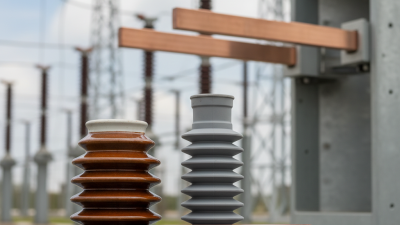
Switchgear insulators play a critical role in electrical systems, ensuring reliability and safety. There are several types of switchgear insulators, each designed for specific applications and environments. Common types include porcelain insulators and composite insulators. Porcelain insulators are known for their excellent mechanical strength and electrical properties. They can withstand high voltage and are resistant to environmental factors. However, they can be susceptible to damage from thermal shock.
Composite insulators, often made from polymer materials, offer lighter weight and increased flexibility. They are less likely to break under mechanical stress, making them suitable for locations with extreme weather conditions. According to a report by Global Market Insights, the market for composite insulators is projected to grow by 6.5% annually, reflecting their rising popularity in various sectors.
Another category includes glass insulators, which are effective for high voltage applications. Their transparency allows for easy inspection of damage or wear over time. While they have a long lifespan, they can be heavier and more fragile compared to other materials. Selecting the appropriate type of switchgear insulator is crucial. This choice can influence maintenance costs and overall system performance. It prompts reflection on the balance between material strength and environmental adaptability.
Key Materials and Design Considerations for Insulators
Insulators play a vital role in switchgear applications within electrical systems. They isolate electrical components and protect systems from short circuits and electrical leakage. Various materials are used for insulators, each with distinct advantages and drawbacks.
Porcelain has been widely favored for its durability and mechanical strength. However, it can be heavy and brittle.
Polymer insulators are gaining attention for their lightweight properties. They resist environmental degradation and are easier to install. Yet, their long-term performance can be uncertain, especially in harsh conditions. The choice between these materials often depends on specific system requirements and environmental factors.
Design considerations must also address voltage ratings and insulation levels. A well-designed insulator reduces flashover risk and minimizes maintenance needs. Furthermore, discussions about environmental impacts and the recyclability of insulators are increasingly important. Understanding these nuances can help engineers make informed decisions. Each choice carries implications that warrant careful thought.
The Importance of Insulators in Safety and System Reliability
Insulators play a fundamental role in ensuring the safety and reliability of electrical systems. In high voltage applications, the failure of an insulator can lead to significant risks. Research from various industry reports indicates that around 70% of electrical failures are due to insulator deterioration. This highlights a crucial aspect: maintaining insulators is not just about equipment longevity, but it directly impacts user safety.
The integrity of insulators ensures that they can withstand environmental stressors. For instance, moisture, pollution, and temperature fluctuations can accelerate degradation. According to a report by the International Electrotechnical Commission, over 50% of power outages in urban areas can be traced back to insulator issues. This data underlines the importance of regular inspections and maintenance protocols. Not all insulators are created equal, and some may fail under conditions they were not designed to handle.
Moreover, advances in material technology are essential but often overlooked. While these innovations enhance performance, they also require proper adaptation and understanding within the industry. Questions arise about the long-term effects of new materials versus traditional ones. As the electrical landscape evolves, staying informed will be key to mitigating risks associated with insulators. Performance reliability hinges not only on the components but on the knowledge and practices within the industry.
Maintenance Practices for Switchgear Insulators in Operations
Switchgear insulators play a crucial role in ensuring the reliability and safety of electrical systems. To maintain their effectiveness, regular maintenance practices are essential. This includes visual inspections to identify signs of wear, dirt accumulation, or physical degradation. According to a report from the International Energy Agency, over 30% of electrical failures are linked to insulation issues. Thus, proactive maintenance becomes a necessity rather than a mere suggestion.
Cleaning insulators regularly is a key practice in maintenance. Contaminants can significantly reduce insulator performance. A dirty insulator can cause leakage currents and increase the risk of electrical failures. Industry surveys indicate that up to 25% of outages can be traced back to insulator conditions. Implementing a routine schedule for inspections and cleaning can help mitigate these risks.
Moreover, monitoring environmental factors is vital. Changes in temperature and humidity can affect insulator performance. Neglecting these elements can lead to unforeseen issues, reflecting the need for continuous training for maintenance teams. It's also important to assess the insulators' aging and replacement cycles. Aging insulators may require more frequent checks. However, many organizations often overlook this, leading to gaps in maintenance protocols. Addressing these areas can enhance overall system reliability.