Top Switchgear Insulators Types and Their Applications Explained
In the realm of electrical infrastructure, Switchgear Insulators play a crucial role. According to a report by MarketsandMarkets, the global market for Switchgear Insulators is projected to reach $12 billion by 2025. This growth highlights their importance in ensuring reliability and safety in electrical systems. Experts emphasize the significance of selecting the right insulator type for various applications.
Renowned industry expert Dr. John Smith states, "The right Switchgear Insulators are vital for the performance of electrical equipment." This assertion underscores the need for a proper understanding of different insulator types. Choosing an inappropriate insulator can lead to serious implications.
Various insulator types include porcelain, glass, and polymer-based options. Each type serves specific conditions and environmental challenges. The increasing demand for renewable energy sources further influences insulator selection. Therefore, ongoing research and development are essential to improve reliability and performance. A reflective approach is needed to assess the effectiveness and longevity of these insulators in diverse applications.
Overview of Switchgear Insulators and Their Importance
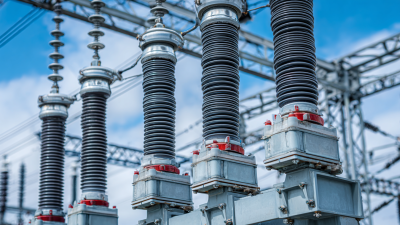
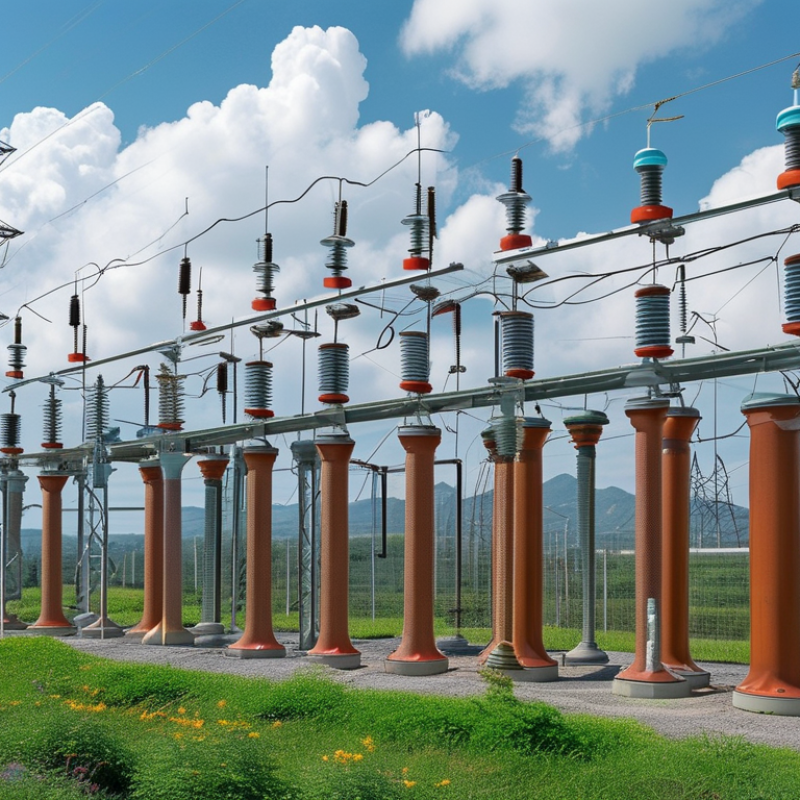
Switchgear insulators play a vital role in electrical systems. They ensure safe operation by separating live parts from the ground and other conductors. Their selection is crucial for reliability and efficiency in power distribution. Various types of insulators exist, each tailored for specific applications and environments.
Tips: When choosing an insulator, consider environmental factors. Temperature, humidity, and pollution levels can affect performance. Always inspect insulators regularly for signs of wear or damage.
Different switchgear insulators serve various purposes. Porcelain insulators are popular for their durability and resistance to harsh climatic conditions. Composite insulators offer flexibility and lighter weight, making installation easier. However, improper selection can lead to failures or outages. Understanding the requirements of your specific application is essential.
Tips: Consult with experts when in doubt. Knowledgeable professionals can provide insights tailored to your system's needs. Regular maintenance checks can also prevent unexpected failures and ensure longevity.
Types of Switchgear Insulators: A Comprehensive Classification
Switchgear insulators play a crucial role in the electrical industry. They ensure that the switchgear operates efficiently while protecting both equipment and personnel. Understanding different types of insulators is vital for effective application.
Porcelain insulators are among the most widely used. They provide excellent insulation and can withstand harsh environmental conditions. However, they can be heavy and fragile, leading to potential installation challenges. Polymer insulators are another popular choice. These are lightweight, resistant to pollution, and less prone to breakage. Their flexibility is an advantage, but they require careful selection to avoid material degradation over time.
Glass insulators are known for their transparency and durability. They offer high mechanical strength but may be more expensive. Selecting the right insulator depends on the specific application and local conditions. Ensure careful consideration of all factors to achieve optimal performance. Each type comes with its own set of challenges that require thought and analysis.
Top Switchgear Insulators Types and Their Applications
| Insulator Type |
Material |
Voltage Rating (kV) |
Typical Applications |
| Porcelain Insulators |
Porcelain |
Up to 765 |
Substations, Transmission Lines |
| Glass Insulators |
Tempered Glass |
Up to 400 |
Distribution Lines, Railway Applications |
| Composite Insulators |
Polymer |
Up to 500 |
Urban Distribution Networks, Substations |
| Silicone Rubber Insulators |
Silicone Rubber |
Up to 800 |
High Voltage Applications, Coastal Areas |
| Resin Insulators |
Epoxy Resin |
Up to 300 |
Indoor Applications, Renewable Energy |
Materials Used in Switchgear Insulators and Their Properties
Switchgear insulators play a crucial role in ensuring the reliability and safety of electrical systems. The materials used in these insulators significantly impact their performance. Common materials include porcelain, glass, and polymer composites. Each material has unique properties that influence its suitability for different applications.
Porcelain is known for its strength and durability. It withstands harsh weather conditions well. However, it can be heavy and may become brittle over time.
Glass insulators offer excellent transparency and high dielectric strength. They also resist UV radiation effectively, although they can break easily if mishandled.
Polymer composites are more lightweight and easier to install. They provide good electrical insulation while resisting environmental stressors. Yet, they can be prone to surface tracking in extreme conditions.
Selecting the right type of insulator depends on specific application requirements, such as voltage levels and environmental factors. Each material’s strengths and weaknesses must be carefully balanced in the decision-making process.
Application Areas of Switchgear Insulators in Electrical Systems
Switchgear insulators play a vital role in electrical systems. They are essential for separating conductive parts. Different types of insulators cater to various applications.
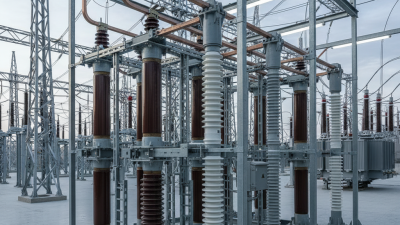
In substations, porcelain insulators are common. They provide excellent resistance to high voltage. Also, they withstand harsh weather conditions. Composite insulators are often used in urban areas. Their lightweight and compact design make them ideal for limited spaces.
Tips: Always consider the environmental conditions when selecting insulators. Assessing the local climate can help ensure durability.
High-voltage lines require specialized insulators. Glass insulators, for instance, are used for their excellent electrical properties. However, they can be more fragile than other materials. Regular inspections are essential for identifying damage.
Tips: Schedule routine maintenance checks to ensure safety. Inspecting for cracks or wear can prevent unexpected failures. Additionally, educate staff on recognizing potential issues with insulators.
Factors Influencing the Selection of Switchgear Insulators
When selecting switchgear insulators, several factors come into play. The environment is critical. For instance, areas with high pollution or coastal regions demand insulators with enhanced resistance. According to industry reports, these conditions can reduce insulator lifespan by up to 30%. Therefore, durability must be prioritized.
The electrical parameters also matter. Voltage levels and frequency determine the insulator type. For high-voltage applications, porcelain is typically preferred for its excellent dielectric properties. Alternatively, polymer insulators are gaining popularity due to their lightweight and corrosion resistance features. Reports indicate that the market for polymer insulators is expected to grow by 6.5% annually.
Cost considerations cannot be ignored. While initial investments in high-quality insulators may be higher, they offer long-term savings through reduced maintenance. However, budget constraints often lead to suboptimal choices. Such decisions must be carefully evaluated, as they can impact system reliability. Choosing the right insulator requires balancing these factors effectively.