Leave Your Message

China Top 10 Composite Type Insulator Manufacturers?

China’s composite insulator industry has grown beside expanding transmission networks, renewable-energy projects, and demanding coastal environments. This article introduces ten leading Chinese manufacturers of Composite Type Insulator products. It focuses on practical indicators, not attractive catalog language.

The evaluation considers production capability, silicone-rubber quality, fiberglass rod design, testing facilities, certification, delivery performance, and field experience. IEC 61109 alignment matters. So does documented performance under pollution, moisture, ultraviolet exposure, and temperature changes. A factory may show impressive laboratory results. Yet long-term service records reveal more. Cracked housings, poor sealing, or inconsistent crimping can create expensive maintenance problems.

Dr. Masoud Farzaneh, a recognized specialist in outdoor insulation and environmental contamination, has stated, “Insulator performance must be judged under real environmental conditions, not in isolation.” That principle guides this overview. A Composite Type Insulator used near salt spray needs different confidence than one installed inland. Details matter.

The selected manufacturers are compared through a balanced industry lens. Their strengths may include high-voltage product ranges, export experience, automated molding, or responsive engineering support. However, public information is not equally complete for every company. That limitation deserves attention. A ranking can simplify a complex market, but it cannot replace factory audits or verified project references.

Readers should therefore treat this list as a research starting point. Check test reports. Confirm standards. Ask about warranty conditions and replacement support. The best supplier is not always the largest. It is the one whose materials, process controls, and field performance match the actual operating environment. Some conclusions may remain debatable. That is normal. Reliable procurement requires careful questions, physical evidence, and continued review.
China Top 10 Composite Type Insulator Manufacturers?

Definition and Role of Composite Type Insulators

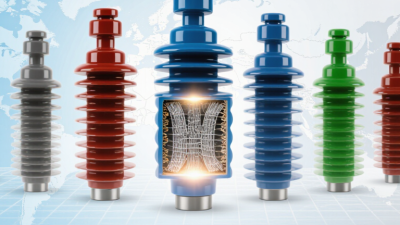
Composite type insulators combine a fiberglass-reinforced polymer core with an outdoor silicone or rubber housing. This structure provides electrical insulation and mechanical support for overhead lines and substations. Unlike traditional porcelain units, composite insulators are lighter and easier to handle during installation. Their hydrophobic surface also helps water form droplets instead of continuous conductive films.

Their role is critical in polluted, coastal, and rainy environments. The housing resists surface leakage and reduces flashover risk when dust or salt collects on the line. The core carries tensile loads, while the sheds increase the creepage distance. During routine inspections, engineers should check for cuts, chalking, unusual tracking, loose fittings, and damaged end seals. Small defects matter.

Design selection requires more than comparing voltage ratings. Engineers should consider altitude, pollution severity, temperature changes, mechanical loading, and ultraviolet exposure. International standards provide useful testing frameworks, but actual site conditions may be harsher than laboratory assumptions. A lighter product can simplify tower work, yet poor sealing or weak quality control may shorten its service life. That risk is easy to underestimate. Reliable manufacturers therefore need traceable materials, controlled production, documented electrical tests, and long-term field feedback. Maintenance teams should still record local performance, because no insulator is maintenance-free. Some installation decisions may need revision after several seasons of weather, vibration, and contamination.

China Top 10 Composite Type Insulator Manufacturers? - Definition and Role of Composite Type Insulators

Technical comparison matrix of commonly manufactured composite insulator categories; company and brand names are intentionally omitted.

No. Composite Insulator Category Typical Application Main Structural Materials Typical Voltage Range Primary Technical Role Common Reference Standards
1 Line Suspension Insulator Overhead transmission and distribution lines FRP rod, silicone rubber housing, metal end fittings 11 kV to 1,000 kV class systems Supports conductors and provides electrical insulation from towers IEC 61109; IEC 62217
2 Line Tension Insulator Dead-end structures, angle towers and conductor termination High-strength glass-fiber reinforced polymer core and elastomeric sheds 11 kV to 800 kV class systems Withstands conductor tensile loads while maintaining insulation IEC 61109; IEC 62217
3 Polymer Pin Insulator Medium-voltage distribution poles and compact line designs Composite core, molded polymer housing and threaded metal interface Up to approximately 36 kV Supports a conductor on a pole-top mounting position IEC 61952; IEC 62217
4 Composite Line Post Insulator Distribution lines, substations and rigid conductor support FRP rod, weather-resistant silicone rubber sheds and metal base 11 kV to 245 kV class systems Provides mechanical support and insulation with limited deflection IEC 61952; IEC 62217
5 Station Post Insulator Outdoor substations and busbar support structures Composite core, silicone rubber sheds and flanged end fittings Up to 550 kV class systems Supports busbars and apparatus while providing creepage distance IEC 62231; IEC 62217
6 Composite Hollow-Core Insulator Instrument transformers, circuit breakers and gas-insulated equipment interfaces Hollow FRP tube, polymer housing and sealed metal flanges Medium voltage to extra-high voltage applications Provides insulation and a sealed mechanical passage for equipment components IEC 61462; IEC 62217
7 Composite Bushing Transformer, switchgear and power-equipment conductor pass-throughs Insulating tube or core, polymer sheds, conductor and mounting flange Low voltage to 550 kV class systems Insulates an energized conductor where it passes through an enclosure or wall IEC 60137; IEC 62217
8 Composite Arcing-Horn Insulator Transmission lines exposed to lightning and switching surges Polymer insulator assembly with corrosion-resistant arcing horns 11 kV to 500 kV class systems Helps control arc location and protect the polymer housing during flashover events IEC 61109; IEC 62217
9 Composite Railway Insulator Railway catenary, traction substations and overhead contact systems FRP core, hydrophobic silicone rubber housing and metal fittings 750 V DC to 50 kV AC railway systems Supports energized railway conductors under vibration, pollution and weather exposure IEC 61952; IEC 62217
10 Composite Surge-Arrester Housing Outdoor metal-oxide surge arresters for grids and substations Silicone rubber housing, fiberglass-reinforced support and zinc-oxide blocks Low voltage to extra-high voltage systems Limits transient overvoltage and provides weatherproof external insulation IEC 60099-4; IEC 62217
Technical note: Composite type insulators generally combine a fiberglass-reinforced polymer core with an elastomeric housing, commonly silicone rubber. Their main advantages include reduced weight, high mechanical strength, strong pollution performance, hydrophobicity and easier handling compared with many traditional porcelain designs. Actual ratings, dimensions, creepage distances and test requirements depend on the approved design and applicable utility specification.

Key Standards for Evaluating Chinese Insulator Manufacturers

When comparing China’s top composite-type insulator manufacturers, technical standards should guide the evaluation. A reliable supplier should design products according to IEC 61109 for composite insulators used on overhead lines. IEC 62217 also helps assess polymeric insulation performance. For system planning, IEC 60815 is relevant to pollution and creepage-distance selection. Chinese GB/T requirements should match the project’s voltage, climate, and installation conditions.

Ask for complete type-test, routine-test, and sample-test records. Independent laboratories accredited to ISO/IEC 17025 provide stronger evidence than factory brochures. Test data should cover mechanical tensile strength, power-frequency withstand, impulse withstand, aging, UV exposure, hydrophobicity, and salt-fog resistance. Check whether the tested design matches the supplied product. Small differences in fittings or silicone housing may matter.

Factory experience is visible in traceability. Production records should connect each insulator to its raw materials, molding batch, curing conditions, and final inspection. Audit the silicone compound, fiberglass core, metal end fittings, and crimping process. Site references are useful, but they need verification. A long operating record helps. It is not conclusive. No factory is flawless, and a clean audit can still miss weak field controls. I would also question unusually high strength claims without failure statistics, inspection procedures, and clearly defined test conditions. Reliable manufacturers explain limitations instead of hiding them.

China Top 10 Composite Type Insulator Manufacturers: Key Evaluation Standards

This standards-based framework highlights the main dimensions used to evaluate composite insulator manufacturers in China. The percentages represent a recommended screening weight, not the performance score of any specific company or brand.

Key references include IEC 61109 for composite insulators used on overhead lines, IEC 62217 for polymeric high-voltage insulators, IEC 60815 for insulator selection under polluted conditions, IEC 60060-1 for high-voltage test techniques, and the corresponding applicable Chinese GB/T standards. Greater emphasis is placed on verified testing, design consistency, material traceability, and long-term environmental performance.

China’s Top 10 Composite Type Insulator Manufacturers

China’s Top 10 Composite Type Insulator Manufacturers

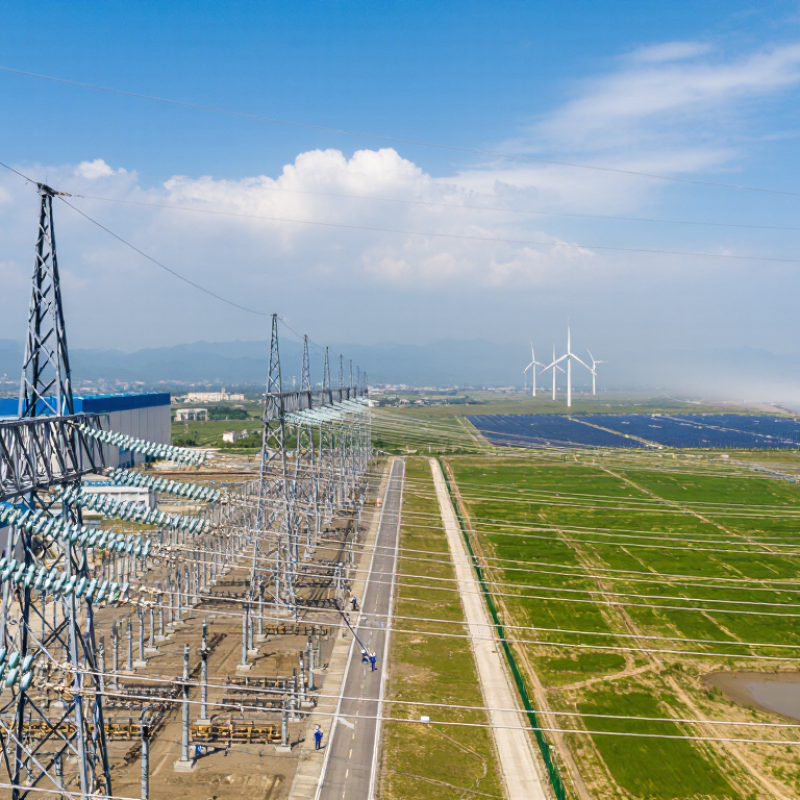
China’s composite insulator sector supports expanding transmission, renewable integration, and urban distribution networks. The China Electricity Council reported that China’s installed power capacity exceeded 2.9 billion kilowatts by the end of 2023. This scale creates strong demand for lightweight, pollution-resistant insulation systems.

A reliable top-ten assessment should examine more than factory size. IEC 61109:2020 defines key requirements for overhead-line composite insulators, including mechanical loading, electrical performance, and environmental durability. CIGRE technical guidance also stresses interface design, silicone housing quality, and resistance to brittle fracture. Manufacturers deserve attention when they show accredited laboratory results, long-term utility references, and traceable raw-material controls. Export experience matters too. Yet public rankings remain imperfect. Many companies do not disclose comparable failure-rate data or field-age records.

Tips: Check the rated tensile load, creepage distance, housing material, and end-fitting design. Request type-test reports and recent inspection records. Compare performance under salt fog, heavy pollution, ultraviolet exposure, and temperature changes. A low purchase price can hide higher maintenance risk. Site conditions should guide the final choice.utigalugu

Product Ranges, Technologies, and Industry Applications

China’s top composite insulator manufacturers serve transmission, distribution, railway, and industrial projects. Their product ranges commonly include line post insulators, suspension units, station posts, bushings, and hollow-core designs. These products use silicone rubber housings, fiberglass-reinforced cores, and carefully sealed metal fittings.

Technology Technology choices affect service life. Hydrophobic silicone surfaces help resist pollution and moisture in coastal or industrial areas. Modern factories often use automated molding, crimping, and visual inspection systems. Routine tests may include mechanical load checks, leakage-current monitoring, and aging evaluation. The best supplier depends on voltage class, climate, structure design, and maintenance access. A catalogue alone is not enough.

Tips: Ask for type-test reports, factory quality records, and project references. Check whether testing matches the intended standard and voltage level. Inspect sealing details around fittings, especially for dusty sites. Confirm spare-part support and delivery consistency. Field experience matters more than polished brochures. No ranking stays permanent. Some suppliers offer strong engineering support but limited overseas service, while others may have broad capacity and slower customization. That trade-off deserves careful review before procurement.

How to Select a Suitable Chinese Composite Insulator Manufacturer

How to Select a Suitable Chinese Composite Insulator Manufacturer

Selecting a Chinese composite insulator manufacturer requires more than comparing prices. Start with the voltage level, pollution severity, mechanical load, and installation environment. A suitable supplier should explain its design choices clearly. Ask for drawings, material specifications, and test records before requesting a quotation. Experience matters here.

Inspect the manufacturer’s production process, including silicone rubber molding, fiberglass rod preparation, and end-fitting crimping.

Check whether each batch has traceable records. Reliable factories usually provide routine test data, type-test evidence, and compliance with applicable IEC or equivalent standards. Visit the laboratory if possible. Real equipment reveals more than polished brochures. An independent inspection can expose weak controls.

Evaluate performance after delivery, not only before it.

Discuss aging resistance, hydrophobicity, corona control, transport packaging, and replacement support. Request samples from regular production, then examine surface quality, bonding, and dimensions.

During factory evaluations, I have learned that communication speed can predict project risk. Yet this is not absolute. A responsive sales contact may hide limited engineering capacity. Speak directly with technical staff. Review corrective-action records and ask how failures were handled. I once focused too heavily on certification documents and overlooked inconsistent labeling. That mistake was preventable. Clear acceptance criteria, staged inspections, and written technical communication protect both reliability and budget.